From: Shenzhen Daily | Updated:2026-09-29
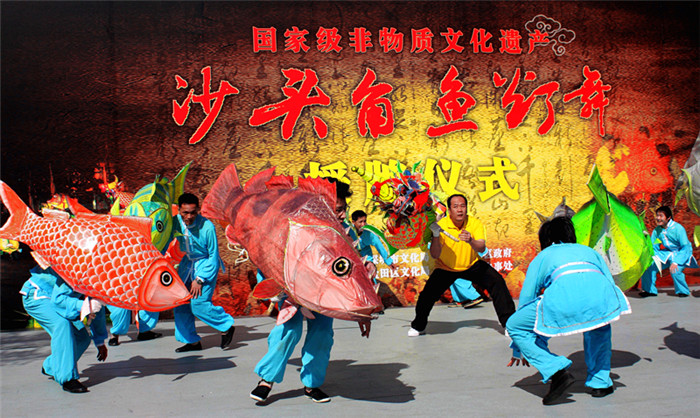
On the evening of the Mid-Autumn Festival, which fell on Sept. 25 this year, a spectacular fish lantern dance performance wowed crowds in Yantian District.
A national-level intangible cultural heritage tradition passed down for three centuries, the dance was staged at the plaza of the Yantian Administrative and Cultural Center near Haishan Metro Station.
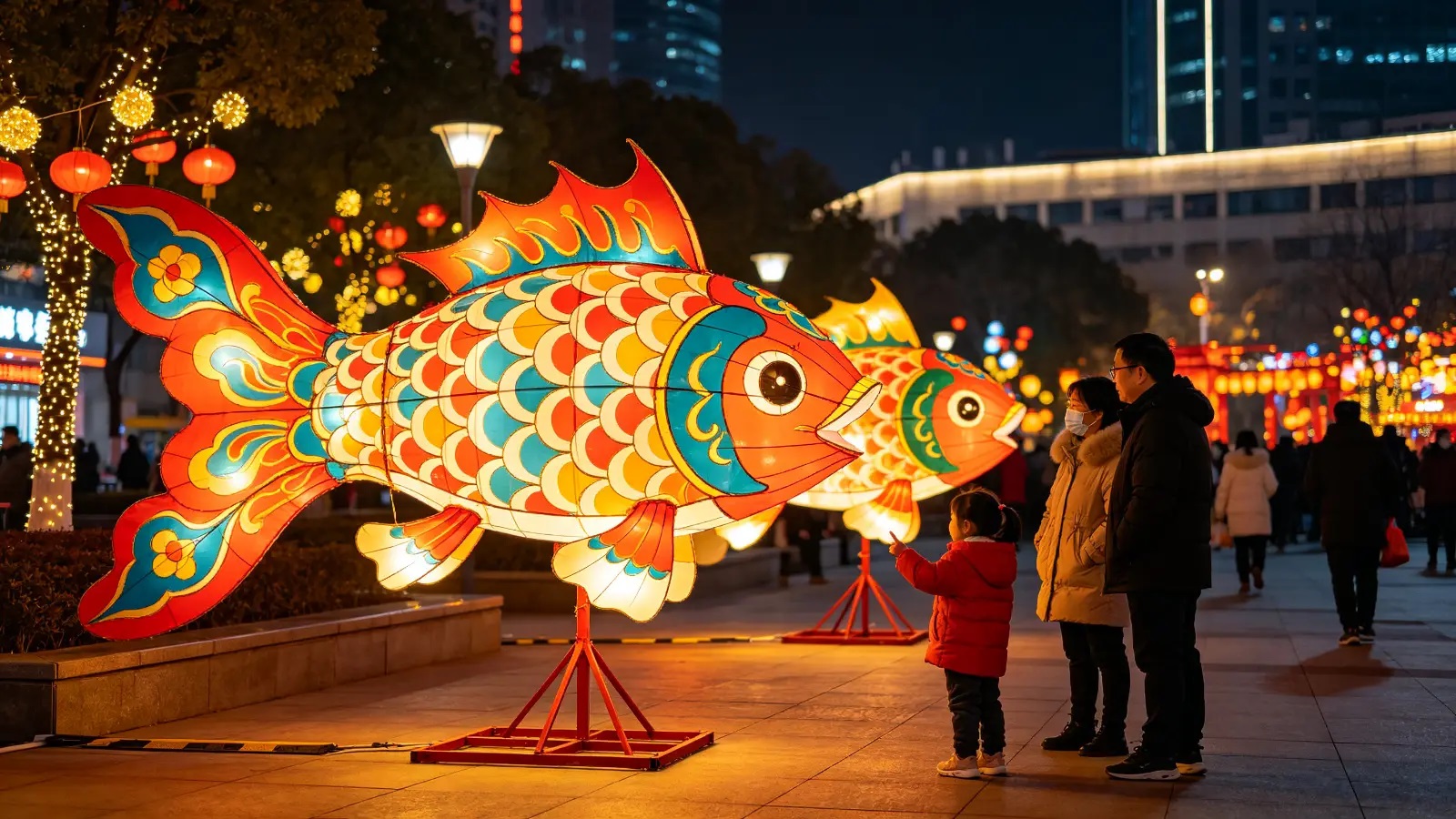
Fish lanterns on display. File photos
During the show, colorful fish lanterns were arranged in staggered formations, with warm yellow light spilling through the fish scales and casting dappled shadows on the ground.
The dancers, hidden behind the lanterns, leaped, spun, and wove through the crowds to the beat, mimicking the movements of fish chasing and frolicking.
The yellow snakehead fish lantern, held by Xu Min from Shatoujiao Subdistrict, was particularly eye-catching. Known as the "commanding fish," the snakehead is strong and flamboyant, Xu said. "Performing this role gives me plenty of room to showcase my martial arts skills, and I really love it."

A fish lantern dance performance in Yantian District.
The seemingly effortless dance movements are the result of generations of inherited craftsmanship. Originating in the Qing Dynasty, the Shatoujiao fish lantern dance was passed down through generations of the local Wu family.
According to Wu Guowei, head of the Shatoujiao fish lantern dance team, the core essence of the dance lies in the personification of the fish. During the performance, dancers must maintain a crouched horse stance throughout, staying close to the ground to simulate the swimming movements of fish, frequently jumping, turning, and bending — a routine that demands enormous endurance.
"I've been learning the fish lantern dance for over 20 years. When I first started, I didn't hold the lantern and just practiced the horse stance for one to two hours every day," Wu recalled. What appears to be a simple drifting posture is backed by years of tedious practice.
A complete set of fish lanterns comes in 15 different styles; some are freshwater fish, while others are marine fish. Handmade from traditional bamboo strips, the lanterns feature a unique three-section structure that allows the fish body to swing freely, recreating the agile movements of swimming fish. In the old days, traditional fish lanterns had candles inside for illumination, and the burning wax would inevitably drip and scald the hands, so dancers would wear gloves during performances. Though the candles have been replaced with LED lamps, the tradition of wearing gloves is still kept today.


Fish lanterns on exhibition in Hong Kong.
In 2008, the Shatoujiao fish lantern dance was inscribed on the second batch of the National Intangible Cultural Heritage List. For centuries, this folk art has flourished in both Shenzhen and Hong Kong.


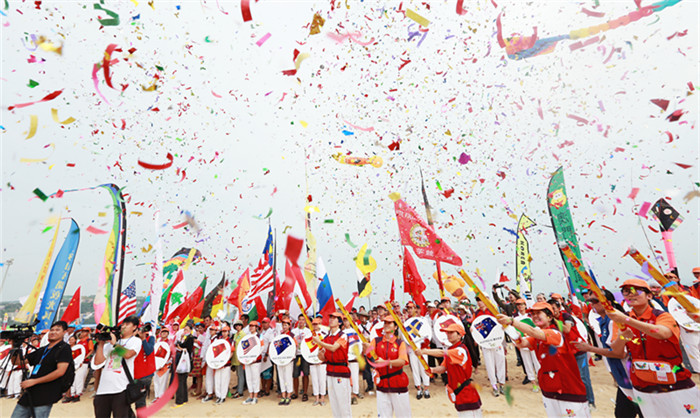 Overview
 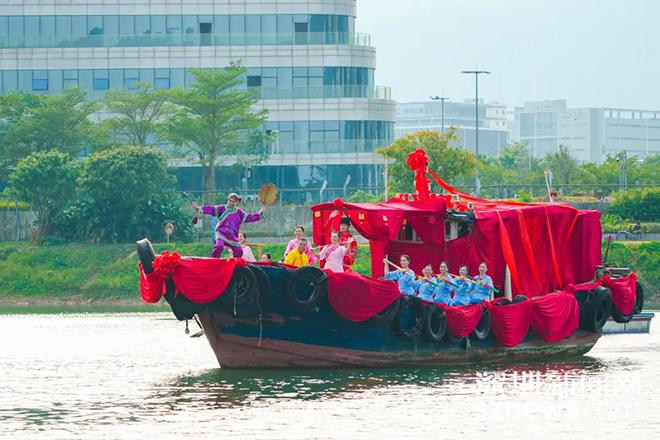 Yantian Tanka Cultural Festival
 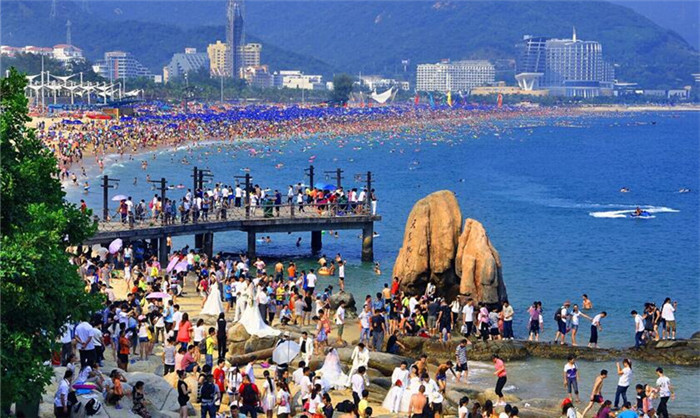 Shenzhen Golden Coast Tourism Festival
  Shenzhen Shatoujiao Fish Lantern Festival