From: Shenzhen Daily | Updated:2026-01-13
Sun Xiao, born in 1955 in Xi’an, Shaanxi Province, served as the founding curator of the Zhongying Street History Museum.
In 1991, Sun left his previous position at the Banpo Museum — a site dedicated to the prehistoric Banpo excavations on the outskirts of Xi’an — and moved to Shenzhen.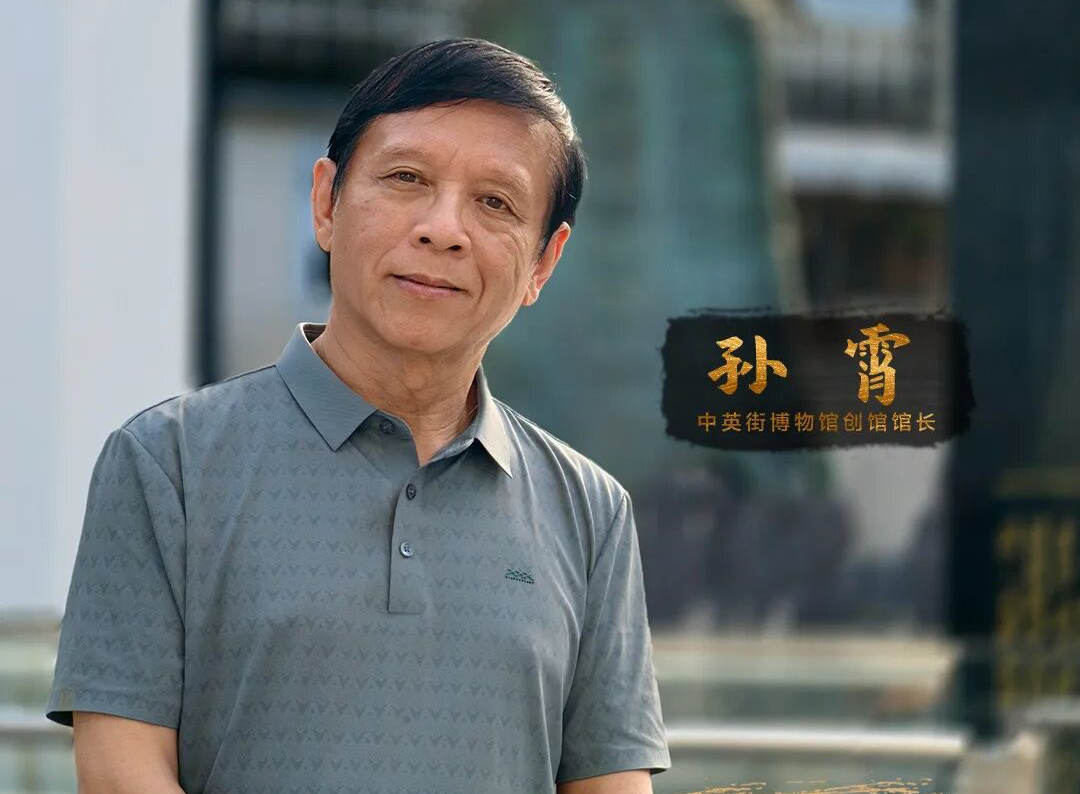
Sun Xiao, born in 1955 in Xi’an, Shaanxi Province, served as the founding curator of the Zhongying Street History Museum.
“In 1995, I heard about a small memorial hall on Zhongying Street and took a day off to visit it,” Sun recalled. Housed in just a few rooms, the hall had welcomed 160,000 visitors in the three years since its opening.
When Shatoujiao Township announced plans in 1998 to establish a museum at the site, Sun immediately applied to join the effort. That July, he embarked on a 10-month sprint to build the museum from scratch.
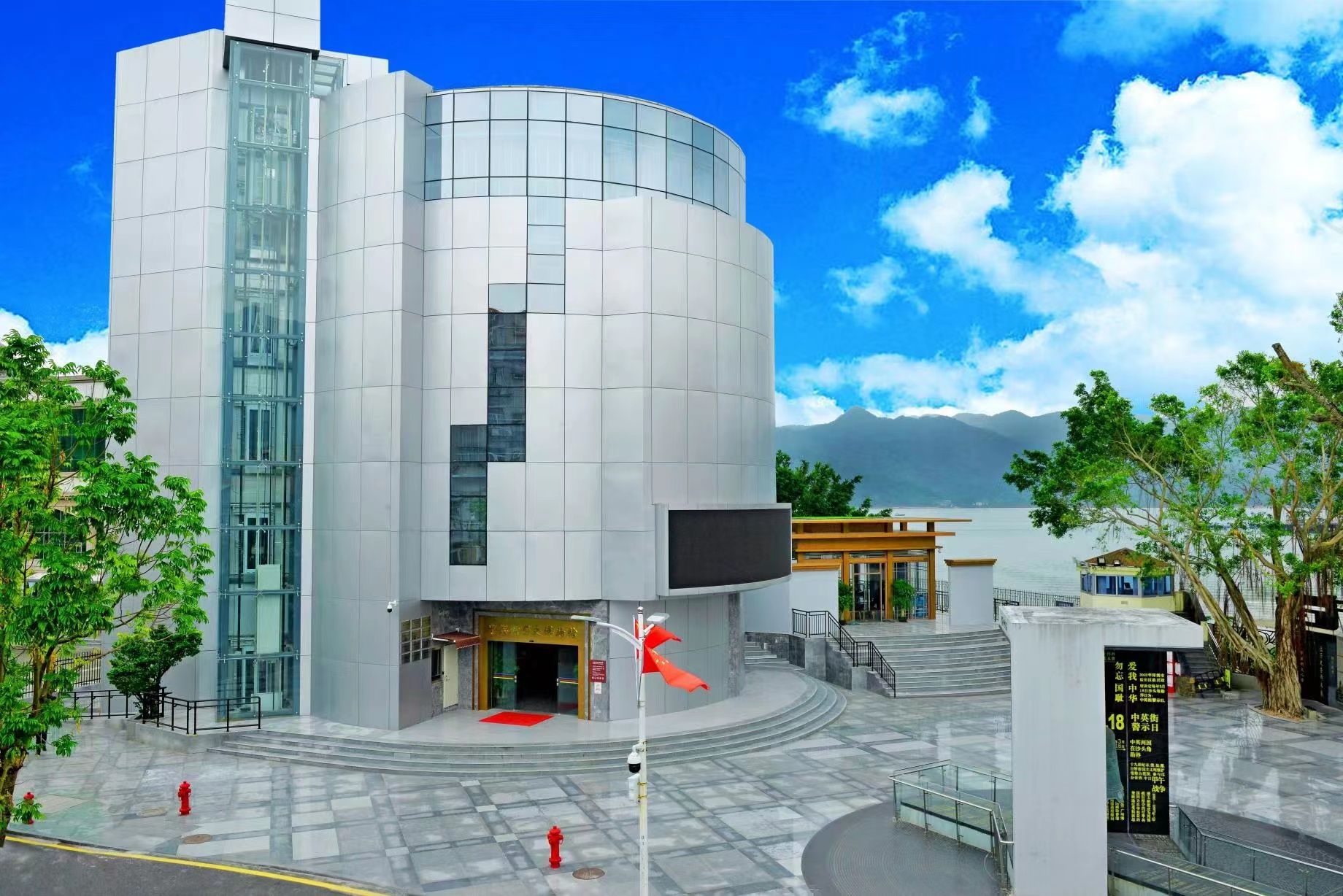
A view of the Zhongying Street History Museum.
First, Sun and his colleagues contacted 16 veterans of the Dongjiang Column of the Guangdong People’s Guerrilla Against Japanese Aggression, who agreed to donate wartime memorabilia to the museum.
Sun then traveled to North China to collect more exhibits. In Tianjin — a city that once hosted a British concession — a private collector contributed relics from the 1800s left by British colonists, as well as Qing Dynasty (1644–1911) official costumes. The collector also introduced Sun to his network, leading to the acquisition of over 100 items that formed the museum’s initial collection. Later, Sun’s team gathered additional folk cultural relics from Hong Kong’s New Territories, including Hakka women’s Canton gauze dresses, embroidered baby carriers, and traditional mooncake molds.
The museum officially opened on May Day 1999, celebrated with a Qilin dance performance accompanied by vigorous drumbeats.
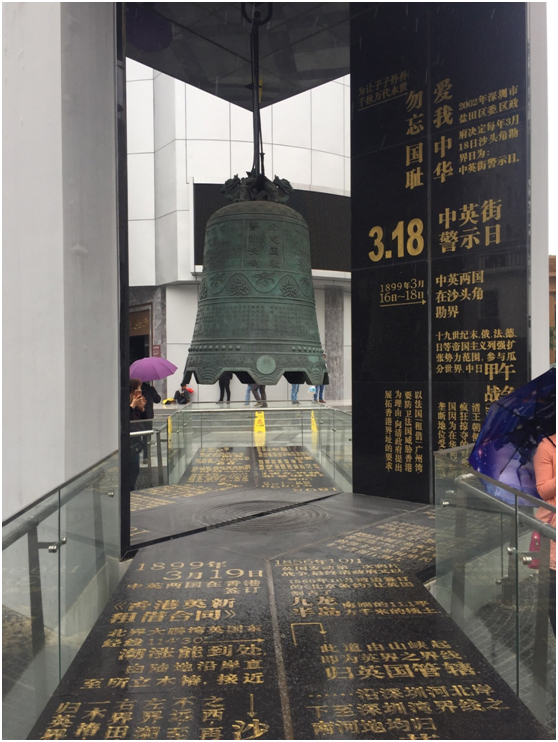
Zhongying Street has an annual tradition: ringing a giant bell 18 times on March 18 to commemorate the day in 1899 when the street was divided, marking the border between the Chinese mainland and the British-ruled territory.
In 2002, on Sun’s recommendation, Zhongying Street initiated an annual tradition: ringing a giant bell 18 times on March 18 to commemorate the day in 1899 when the street was divided, marking the border between the Chinese mainland and the British-ruled territory.
In 2013, Sun proposed constructing a 200-meter-long relief sculpture wall to transform Zhongying Street into an “open-air history museum.”
Looking ahead, Sun hopes the street will showcase more local intangible cultural heritage, such as the fish lantern dance and other Hakka traditions.
“Zhongying Street is not only a witness to history but also a place where young people can learn about history and Chinese traditions,” Sun said. He added that gaining a deeper understanding of the past will help us build a better future.


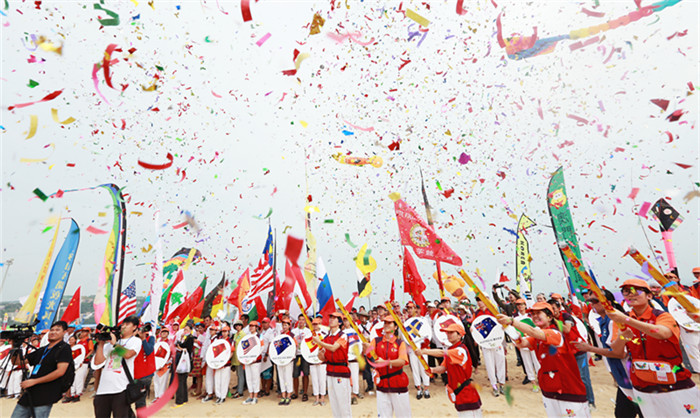 Overview
 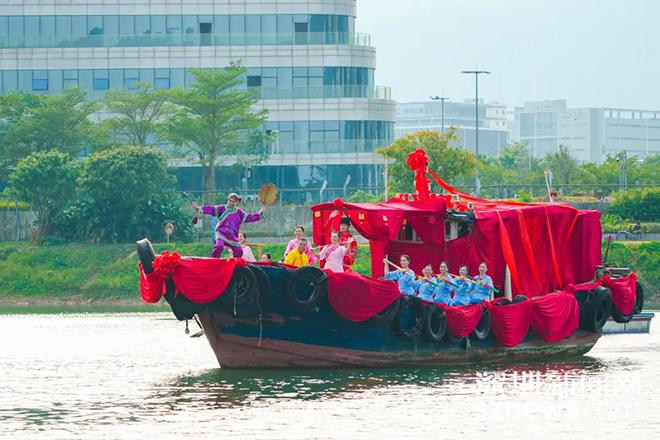 Yantian Tanka Cultural Festival
 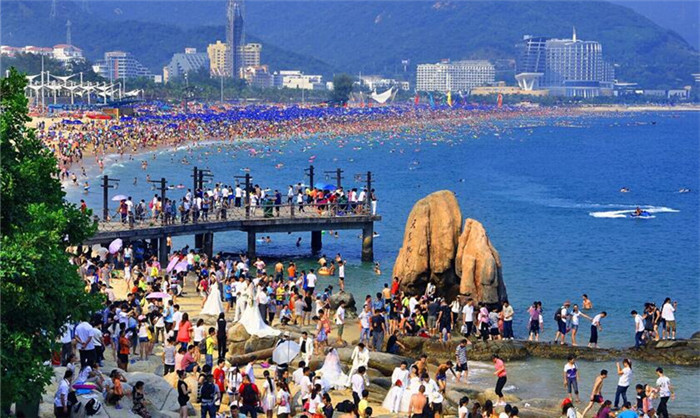 Shenzhen Golden Coast Tourism Festival
 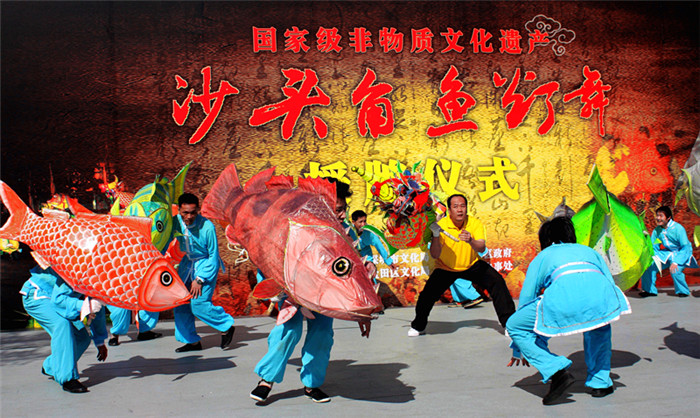 Shenzhen Shatoujiao Fish Lantern Festival