From: Shenzhen Daily | Updated:2026-01-08
Waste disposal remains a common challenge for cities worldwide, particularly when it comes to food waste — which is bulky, perishable, and difficult to process. In Yantian District, however, daily leftovers, vegetable scraps, and fruit peels are no longer sent to landfills or incinerators. Instead, they travel through smart black soldier fly-breeding chambers, transforming into sought-after products sold overseas.
Yantian launched a pilot reform in waste reduction and classification in 2012. By 2013, the district was recognized as a Livable Environment Role Model in Guangdong Province for its waste classification and food-waste treatment practices. Two years later, it received the China Habitat Environment Exemplary Award from the Ministry of Housing and Urban-Rural Development.
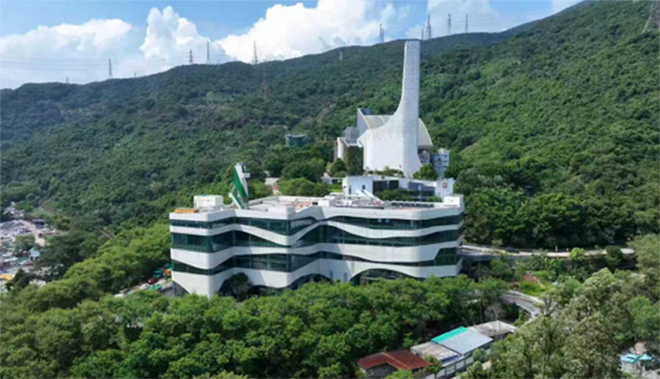
A general view of the Yantian environmental park.
The district first built an environmental park capable of processing 200 tons of food waste per day. Then, in 2022, it expanded the facility into a 4,876-square-meter food-waste recycling park. Today, 100% of the food waste generated in Yantian is treated onsite, with 85% to 90% of it fully degraded.
Yantian has partnered with Tongji University, China Agricultural University, and the Chinese Academy of Sciences to develop technologies that convert food waste into valuable resources — including raising black soldier fly larvae, producing biodiesel, and generating anaerobic biogas. Together with the Vanke Foundation, the district also co-established a near-zero-carbon community in Dameisha, creating Shenzhen’s first education center dedicated to the near-zero-carbon circular economy.
In 2025, Yantian District collaborated with Shenzhen Energy Environment Co., Ltd. to launch an intelligent “5G + robotics” black soldier fly-breeding project within the environmental park.
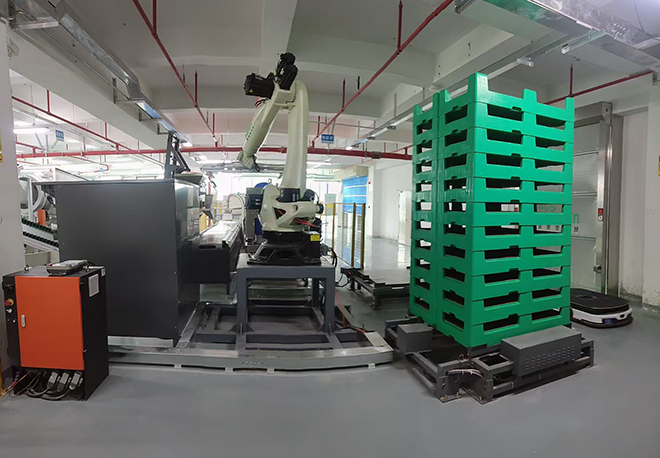
The black soldier fly breeding chambers.
The smart breeding chambers now process 15 tons of solid food waste daily. Since only a small portion of food waste is solid, this capacity essentially meets the district’s need to treat nearly 100 tons of food waste each day — making Yantian the first area in Shenzhen to fully convert food waste into insect-protein products. Derived from black soldier fly larvae, these protein products are widely used in pet feed and aquaculture and are sold on platforms like Amazon at US$19.99 for 2 lbs, US$34.99 for 5 lbs, and US$59.99 for 10 lbs.
“After a three-phase separation of food waste, the organic solids are mixed with auxiliary materials and fed into breeding chambers, where black soldier fly larvae efficiently break them down,” explained a park representative. “The process yields insect protein, crude oil, biogas, and insect frass. The crude oil can be refined into biodiesel, the biogas is used for power generation, and the frass is sold to farms as organic fertilizer.”
Inside the park, clean workshops house rows of equipment, with screens displaying real-time operational data. Since the pilot began, the project has processed over 55,000 tons of food waste, reducing CO₂ emissions by an equivalent of 326 tons in 2025 alone.
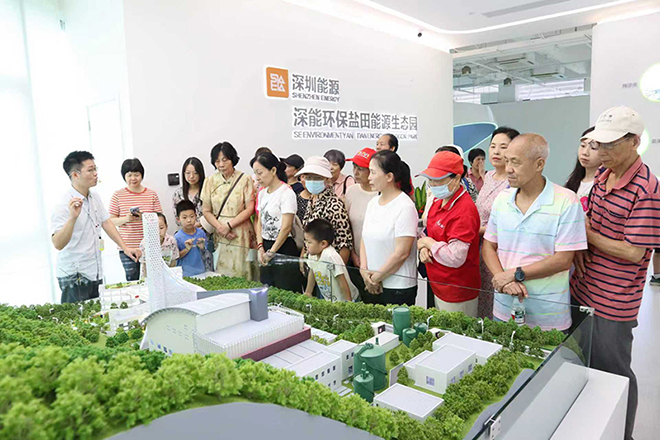
Citizens visit the Yantian environmental park.
Data show that through the integration of artificial intelligence and digital twin technology, food-waste conversion efficiency has improved by 32%, while labor costs have been cut by 60%. Revenue from product sales now covers about 60% of the environmental park’s operational expenses.
Yantian has also focused on public engagement, sending volunteers to conduct door-to-door outreach, provide on-site guidance at waste-sorting stations, and promote point-redemption programs for smart recycling — all aimed at encouraging residents to participate actively in waste reduction and classification.
Through years of sustained effort, Yantian District has successfully turned urban organic waste from a burden into a valuable resource.


 Overview
 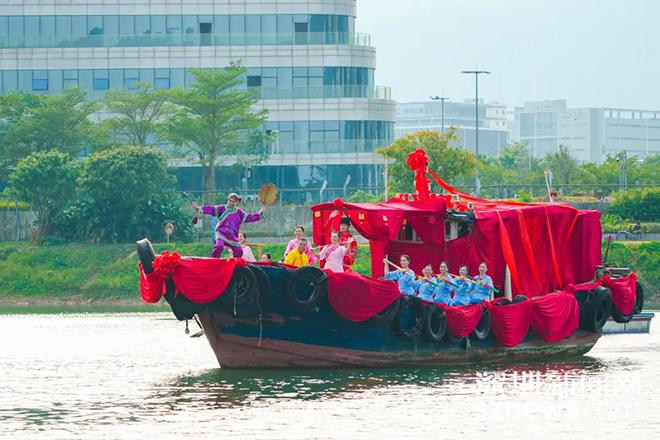 Yantian Tanka Cultural Festival
 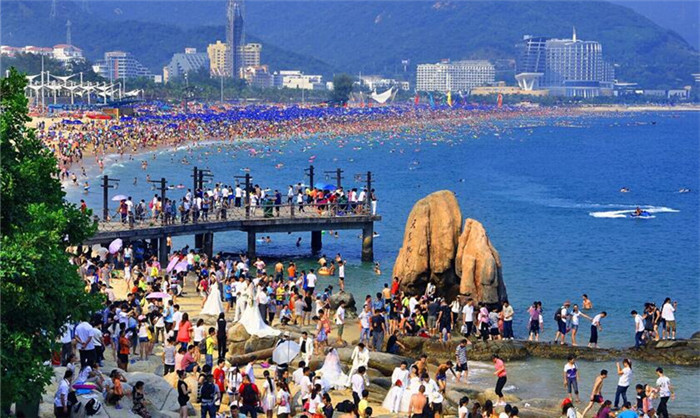 Shenzhen Golden Coast Tourism Festival
 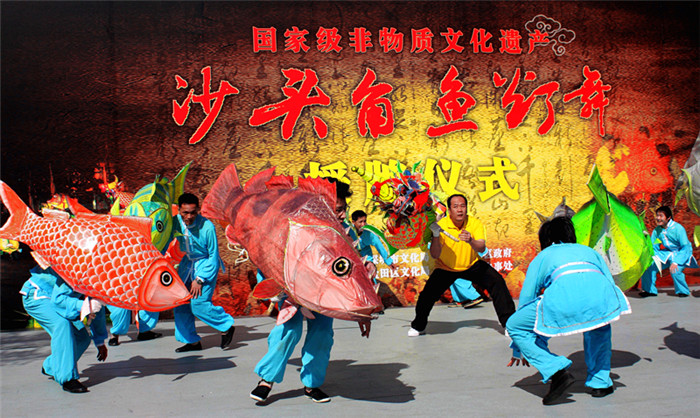 Shenzhen Shatoujiao Fish Lantern Festival