From: Shenzhen Daily | Updated:2026-01-22
On Jan. 18, a man suffered a sudden heart attack while hiking Meishajian, Shenzhen’s third-highest peak at 753 meters above sea level, in Yantian District, the Shenzhen Special Zone Daily reported.
Fortunately, Shenzhen Eastern General Aviation (SEGA) dispatched a helicopter after receiving a 120 emergency call and transported the patient to nearby Yantian People’s Hospital within just three minutes. Doctors rushed him to surgery, where a stent was placed following diagnosis. The patient is now in stable condition and recovering.
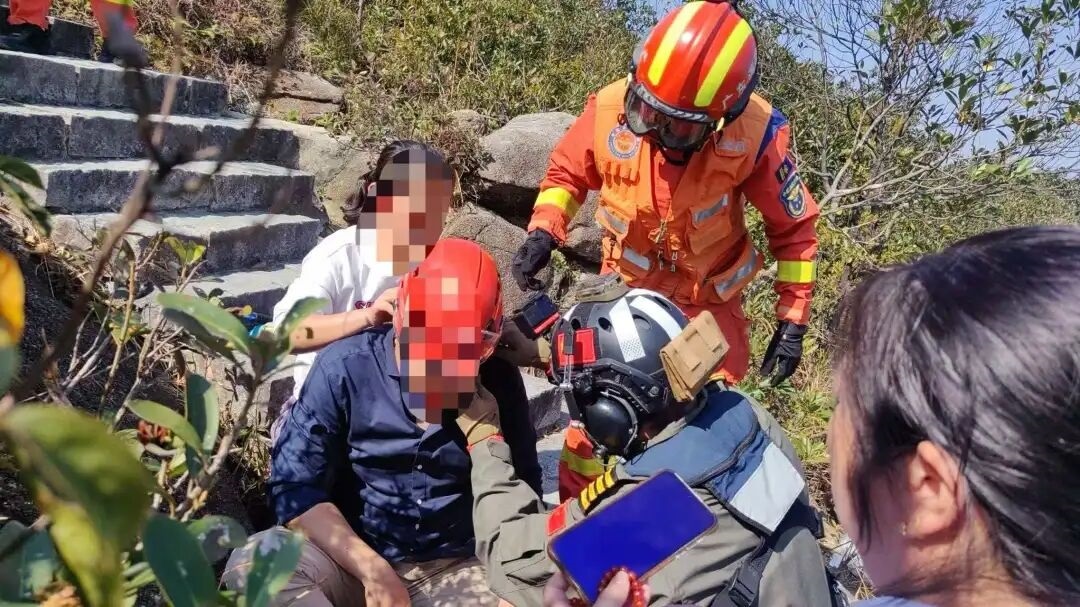
The rescue scene at the Meishajian area in Yantian District on Jan. 18.
Shenzhen launched China’s first “Air 120” emergency service in 2019, with SEGA’s main base in Yantian District becoming operational in 2021.
The current network includes SEGA as the professional aviation provider and eight local hospitals. When a call is received, the 120 emergency center coordinates between air transport and ground ambulance services to ensure timely treatment for patients in critical condition.
From the time an order is issued, a helicopter can reach downtown Futian District within 10 minutes, and Bao’an International Airport or Shekou Cruise Home Port within 20 minutes, saving precious life-saving time.
According to a SEGA official, the company has conducted nearly 20 air rescue missions since the beginning of 2025.
Anyone in Shenzhen facing a life-threatening emergency can call 120 for assistance. Staff will assess whether helicopter dispatch is required. The helicopter service is currently provided free of charge to patients.
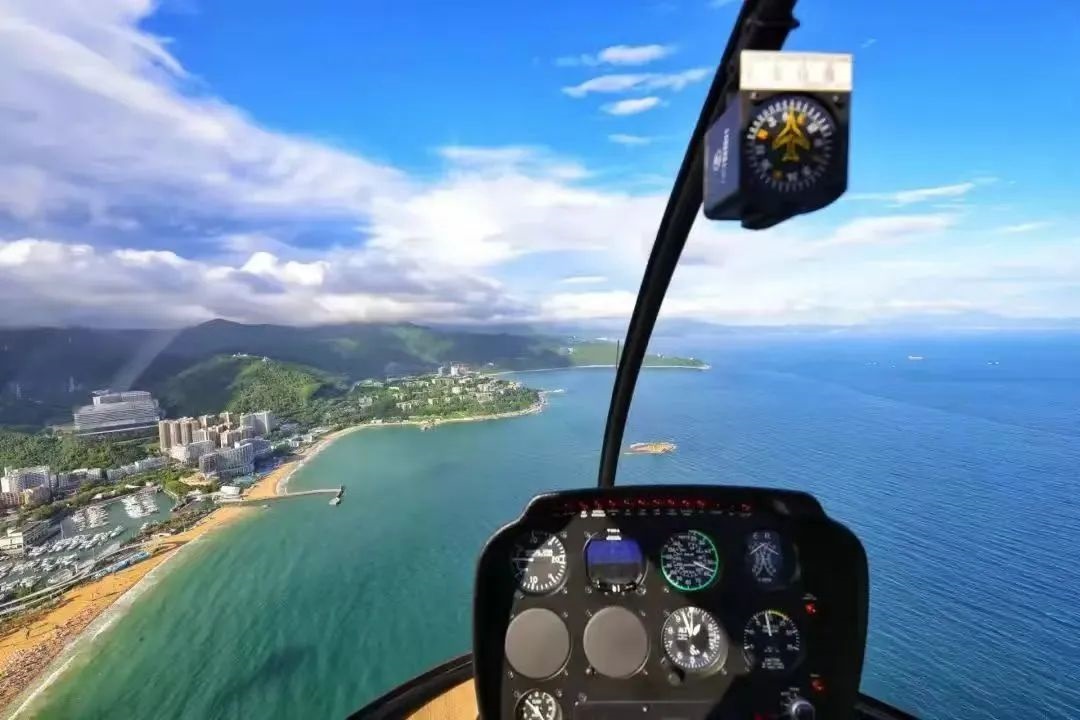
The view from the helicopter cockpit during the rescue mission.
Hiking safety tips
Avoid entering undeveloped areas, and steer clear of dangerous slopes, cliffs, and steep edges. Prepare thoroughly and equip yourself appropriately before setting out.
Plan your route ahead of time. Verify accessibility at entry and exit points, and note water source locations in case of emergencies.
Check weather forecasts. Do not hike during extreme conditions such as sharp temperature drops, intense heat, thunderstorms, or heavy rain.
Pack sufficient water, snacks, sunscreen, and insect repellent. Wear light-colored, loose, and breathable clothing. Bring trash bags and carry all waste out with you. Prepare a first-aid kit including gauze, bandages, and hemostatic supplies.
Ensure you are physically prepared before and during your hike. Perform warm-up exercises to help your body adjust.
Use trekking poles to conserve energy, reduce strain on knees and hips, and ease fatigue in the waist and shoulders. They also improve stability and help prevent falls.
After hiking, stay warm, rehydrate, and refuel with light food or snacks.
If you feel unwell or encounter sudden weather changes, stop immediately and seek shelter in a safe location.


 Overview
 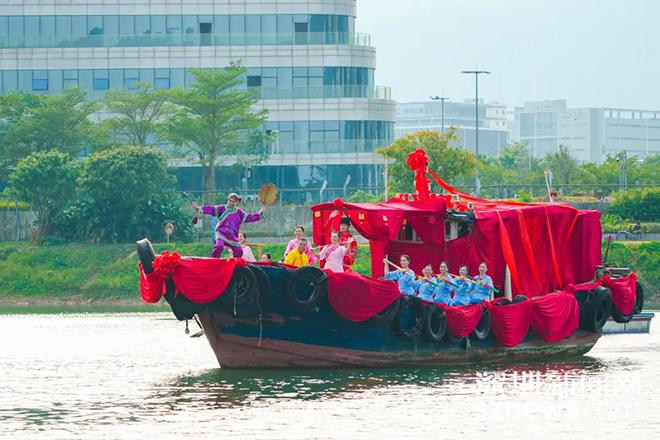 Yantian Tanka Cultural Festival
 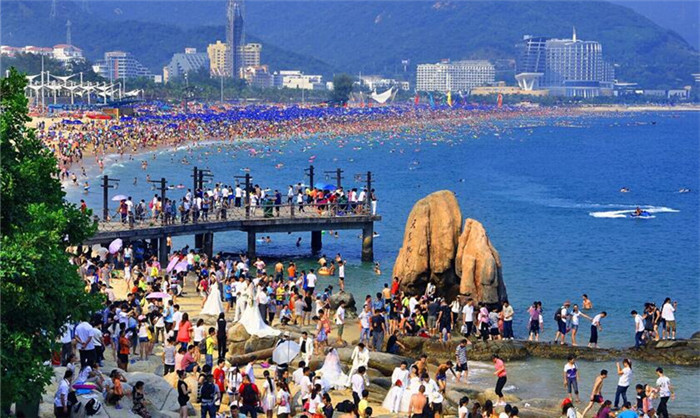 Shenzhen Golden Coast Tourism Festival
  Shenzhen Shatoujiao Fish Lantern Festival