From: Shenzhen Daily | Updated:2026-01-27
On Jan. 21, a container vessel operated by COSCO Shipping Lines received a supply of green methanol from China’s first dual-fuel bunker vessel at Yantian Port.
The milestone event was witnessed by nearly 100 representatives from shipping, energy, and certification companies. During the operation, the Daqing 268 — China’s first domestically developed dual-fuel bunker vessel — supplied 200 tons of green methanol to the COSCO Carnation.

On Jan. 21, a container vessel operated by COSCO Shipping Lines received a supply of green methanol from China’s first dual-fuel bunker vessel at Yantian Port. Xinhua
Measuring 109.9 meters in length with a total capacity of 10,362 cubic meters, the Daqing 268, jointly invested by Sinopec CSSC Shenzhen Marine Fuel Co., Ltd. and Shenzhen Fengyang Marine Shipping Co., Ltd., is equipped with a dual-fuel system capable of running on both conventional fuel and green methanol.
Meanwhile, the Carnation, with an overall length of 366 meters and a width of 51 meters, also features a dual-fuel engine that can switch freely between fuel oil and methanol. Its onboard methanol fuel tank, with a capacity of 11,000 cubic meters, enables long-distance voyages such as routes from the Far East to the U.S. East Coast.
An official from the Shenzhen Maritime Safety Administration stated that this inaugural operation marks a breakthrough in green fuel bunkering capability within the Guangdong–Hong Kong–Macao Greater Bay Area and lays a solid foundation for the region’s development into a world-class green shipping hub.
The green methanol used in the bunkering operation was supplied by a production facility operated by CIMC Enric in Zhanjiang, Guangdong Province. The facility, which began operations last month, is China’s first biomethanol project to achieve mass production, with an initial annual capacity of 50,000 tons.
The shipping industry, responsible for over 80% of global trade volume, is a major source of environmental pollution. According to the International Maritime Organization (IMO), the sector emits approximately 1 billion tons of carbon dioxide annually, accounting for about 3% of global greenhouse gas emissions.
Green methanol is a low-carbon fuel produced either through biomass gasification — using materials such as agricultural and forestry waste — or by combining hydrogen generated from renewable sources with carbon dioxide. Its combustion emits virtually no sulfur oxides (SOx) or particulate matter, significantly reducing air pollution. As such, it is among the fuels recommended by the IMO for decarbonizing maritime transport.
With the inclusion of shipping in the EU Emissions Trading System (EU ETS) and the entry into force of the FuelEU Maritime regulation, global demand for low-carbon fuels such as green methanol continues to rise. Industry analysis projects that by 2030, annual demand for green methanol in global shipping could reach tens of millions of tons, with the long-term potential to grow into a market of hundreds of millions of tons.
According to estimates from the global consulting firm Roland Berger, China’s green methanol demand is expected to reach 12 million tons by 2030, representing nearly half of the global market.


 Overview
 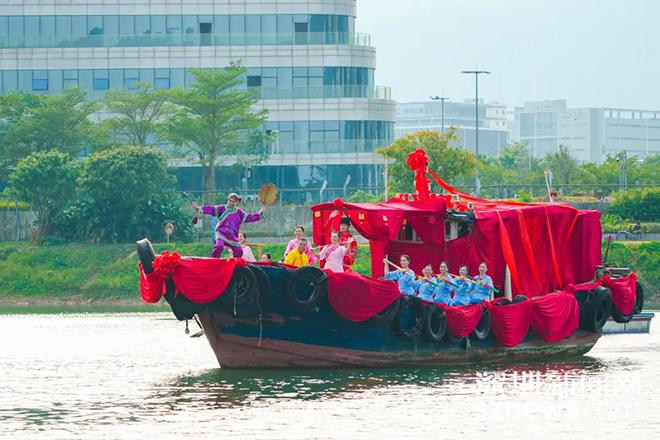 Yantian Tanka Cultural Festival
 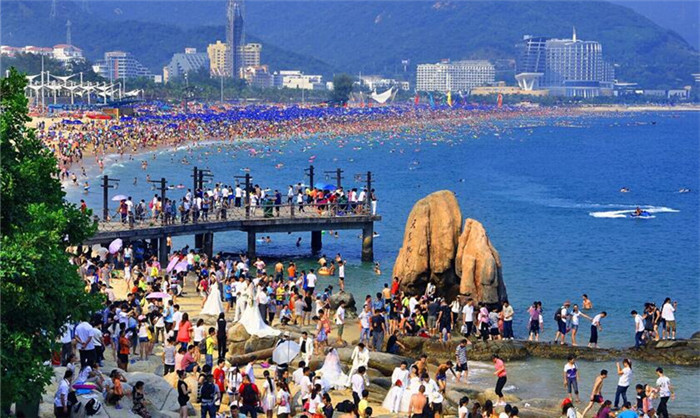 Shenzhen Golden Coast Tourism Festival
 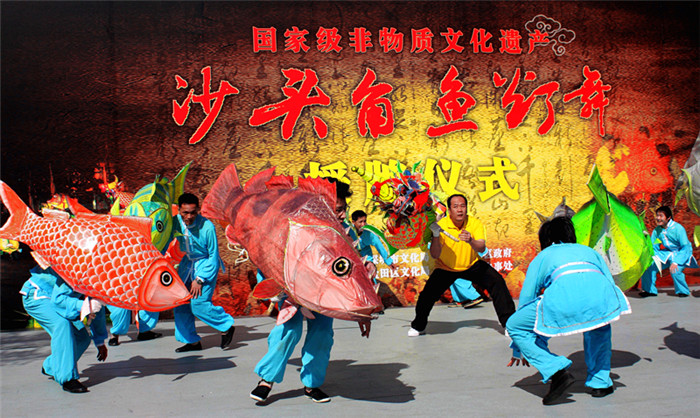 Shenzhen Shatoujiao Fish Lantern Festival