From: Shenzhen Daily | Updated:2026-09-01
On Aug. 22, China’s largest single-site biological sample repository, commonly known as a biobank, officially began operations in Shanghai. With a capacity exceeding 15 million samples, the facility is a joint project between the Shanghai Municipal Center for Disease Control and Prevention (Shanghai CDC) and BGI Genomics, which is headquartered in Yantian.
A biobank is a standardized repository for collecting, processing, storing, and applying biological materials — such as cells, tissues, and DNA — from both healthy and diseased organisms. Beyond the physical specimens, it systematically integrates associated clinical data, treatment histories, follow-up information, and consent documentation, all supported by robust quality control, information management, and application systems.
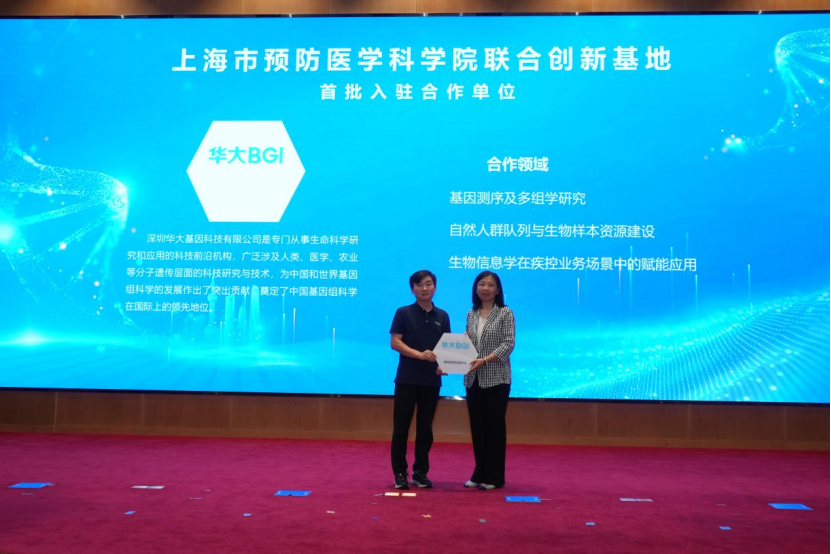
Building on their past collaboration, the two parties will launch a new strategic partnership focusing on genomic big data, multi-omics research, population cohort development, and intelligent sample management. Together, they aim to build an innovative genomic sequencing platform that will further strengthen Shanghai's public health system.
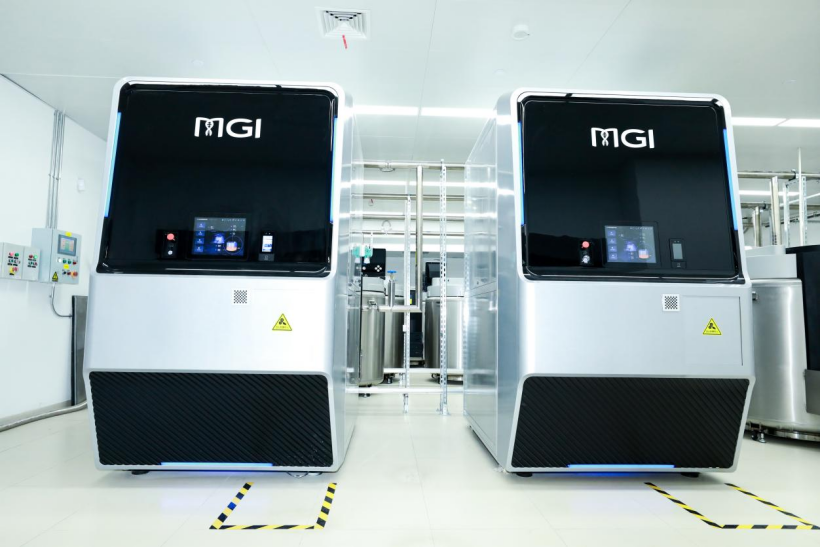
The biobank can store 15 million samples — 12.6 million in ultra-low-temperature automated storage and 2.4 million in cryogenic storage. It integrates multiple products from MGI Tech, a BGI subsidiary, and supports temperatures ranging from 2–8°C down to -196°C. It is also the first in China to apply digital twin and AI vision technologies to the management of large-scale automated sample storage.
Currently, the repository supports screening for breast, colorectal, and thyroid cancers, and stores over 10 types of samples, including blood, DNA, urine, and tissue. These resources provide invaluable support for epidemic tracking, disease mechanism research, and drug development, helping health authorities make more informed, evidence-based decisions.
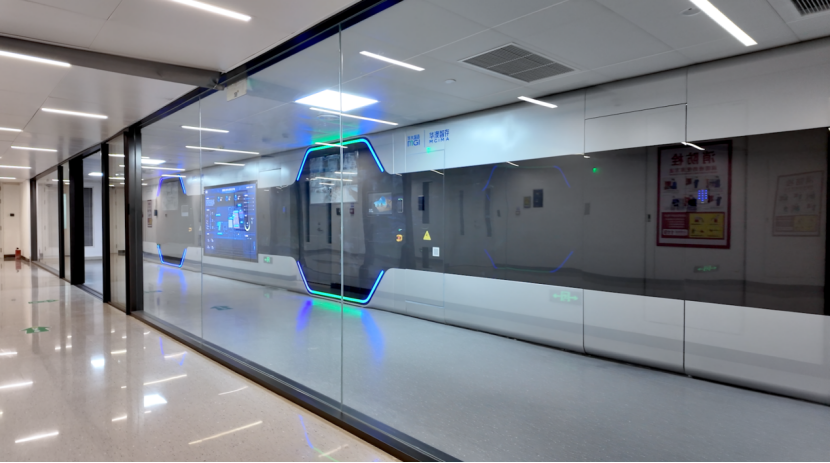
In addition, the Shanghai CDC and BGI are jointly establishing an innovation base aimed at integrating medicine and engineering expertise. The collaboration will accelerate the deployment of new technologies, equipment, and methods in real-world disease prevention and control settings.
A wide range of MGI equipment is already operational at the base, including the ultra-high-throughput sequencer T7, the nanopore sequencer G100-ER, the high-throughput sequencer 2000, the high-throughput sequencer 200, the portable sequencer E25, the digital sample preparation system D4, the sequencing library prep system SP-100, the high-throughput automated sample preparation system SP-960, the laboratory liquid handling robot SP-Smart8, and ZTRON, an all-in-one genomic data center appliance.
"From big data and large models to AI agents, the future of life sciences requires continuous upgrades in technological systems," said Wang Jian, co-founder and chairman of BGI Group. "BGI is working to build a self-evolving laboratory by integrating multi-omics data with AI technology."


 Overview
  Yantian Tanka Cultural Festival
  Shenzhen Golden Coast Tourism Festival
  Shenzhen Shatoujiao Fish Lantern Festival