From: Shenzhen Daily | Updated:2026-09-01
Despite adding 100 more full-time staff members and hosting an increasing number of public events, Biosphere 3 — the green community built around Vanke Center in Dameisha — has slashed its electricity consumption by nearly half over the past six years. In July 2020, the center consumed 298,200 kWh; in July 2026, that figure dropped to just 165,000 kWh.
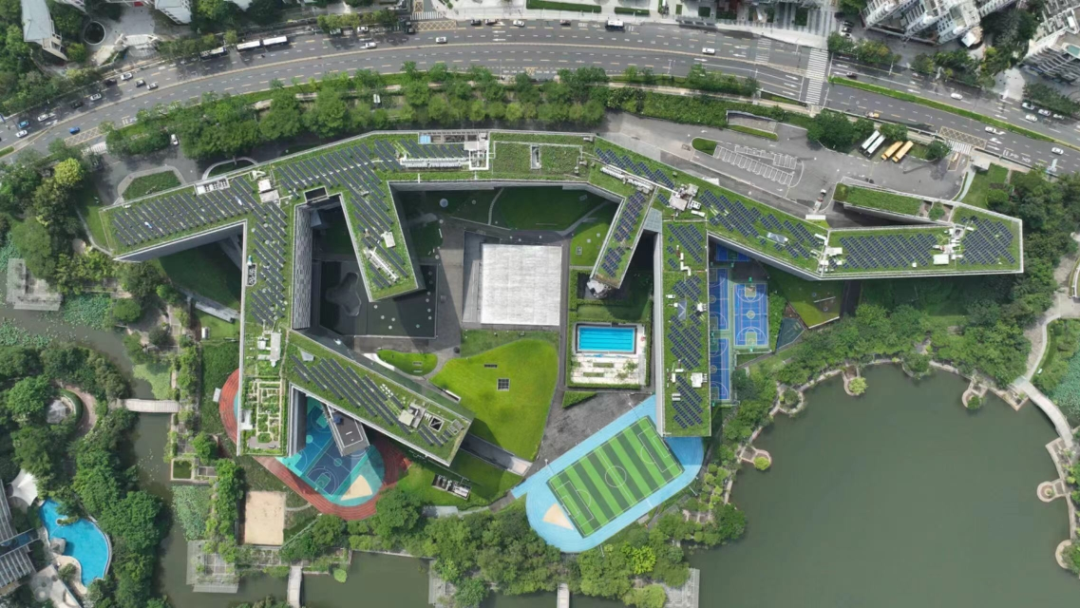
An aerial view of the Vanke Center park.
Designed by world-renowned architect Steven Holl and completed in September 2009, the 122,060-square-meter center was China's first LEED NC Platinum commercial office building. Renovations began in 2021, and the rebranded Biosphere 3 officially opened to the public in October 2024.
A key upgrade involved installing photovoltaic systems on 8,000 of the 14,000 square meters of rooftop, which generated 910,000 kWh of electricity in 2025 alone. Two energy storage cabinets, each with a capacity of 261 kWh, take advantage of time-of-use pricing by charging during off-peak hours and discharging during peak hours.
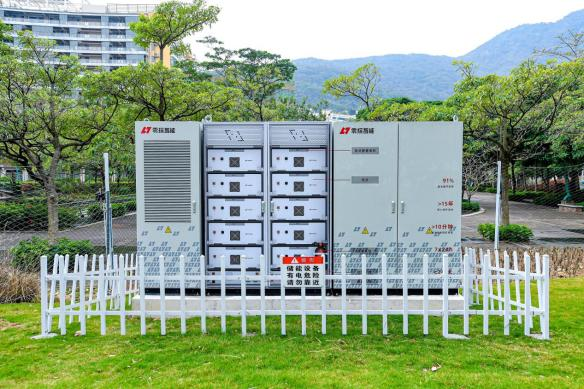
An energy storage cabinet.
Meanwhile, replacing conventional screw chillers with magnetic-bearing chillers and optimizing air-conditioning controls have helped save the park at least 220,000 kWh annually.
Nearly 400 smart meters installed throughout the park provide granular, real-time data on energy use across different zones and equipment types, enabling more precise energy management and optimization.
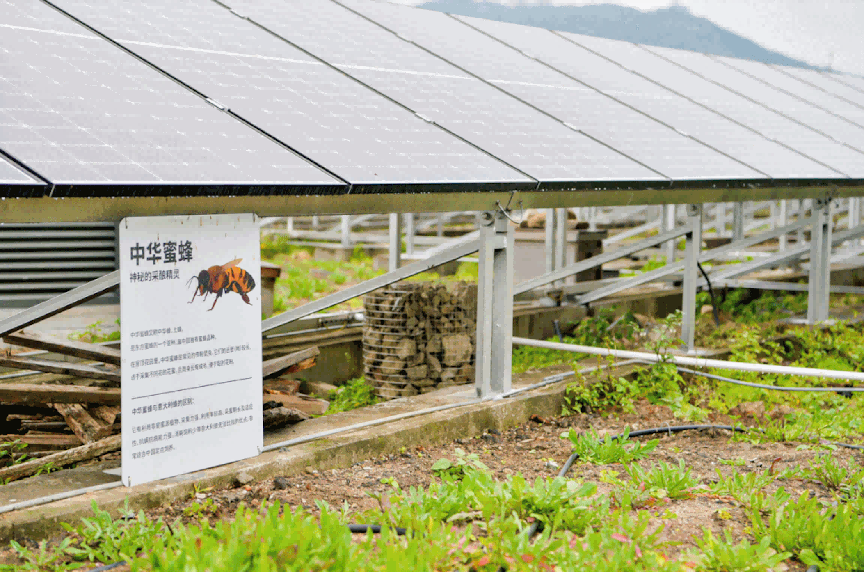
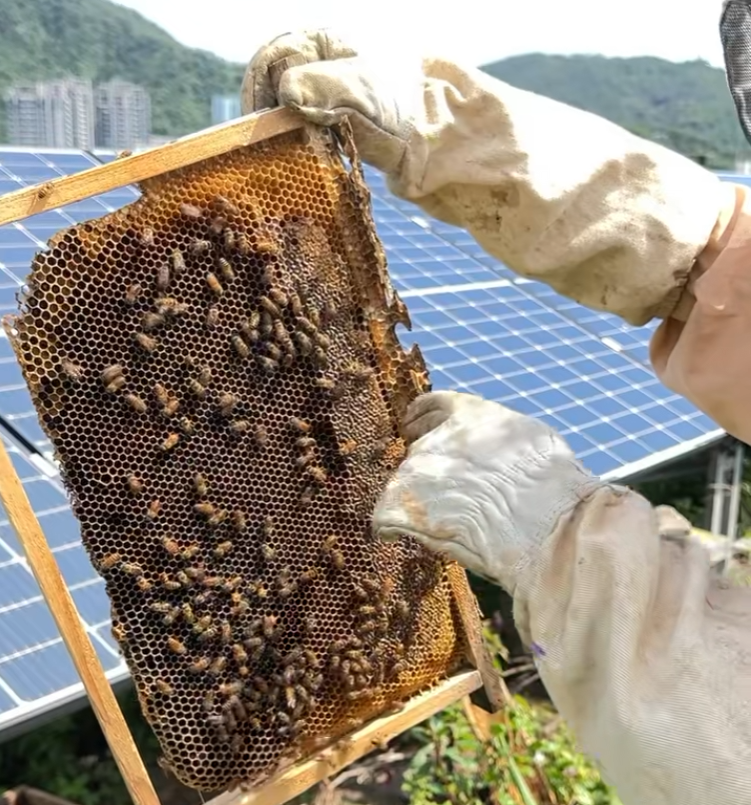
Beehives are placed beneath the solar panels surrounded by nectar-rich plants.
Beyond energy infrastructure, the park is a living laboratory for ecological recycling. The community garden is far more than a space for passive appreciation. Vegetable plots adopted by nearby residents and employees yield chili peppers, eggplants, pumpkins, and other crops, all cultivated without chemical fertilizers, using organic soil produced from compost made from the park's own kitchen waste and fallen leaves.
A dedicated bug task force of black soldier fly larvae consumes preprocessed food waste around the clock, converting it into organic fertilizer. At a nearby aquaponics facility, dried adult flies become protein-rich feed for fish, while fish waste is broken down by microbes and plants into recyclable nutrients, completing another ecological loop.
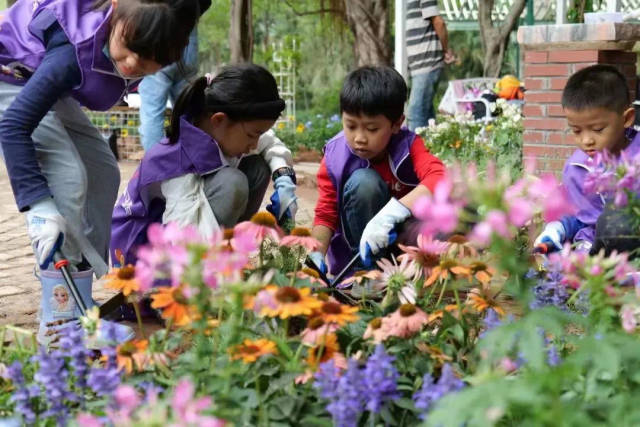
Children work in a garden at the park.
Beehives are placed beneath the solar panels surrounded by nectar-rich plants, with the panels' shade providing an ideal habitat for the bees.
The transformation of Vanke Center is part of a broader push by the Meisha Community toward near-zero carbon development. Since 2021, the Yantian branch of the Shenzhen Ecology and Environment Bureau, the Meisha Subdistrict Office, and Vanke Center have collaborated on this initiative. To date, per capita carbon emissions in the community have fallen by 42%.


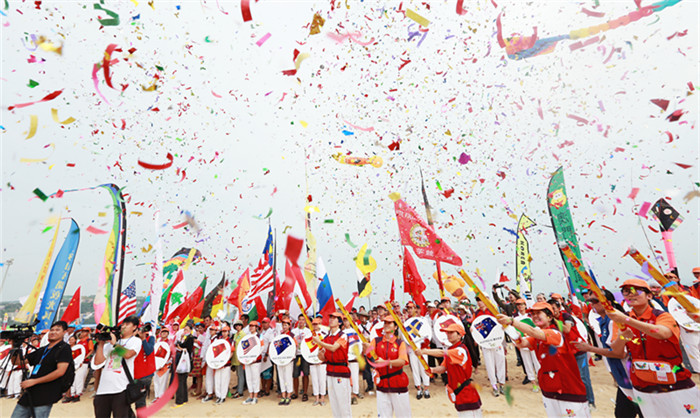 Overview
 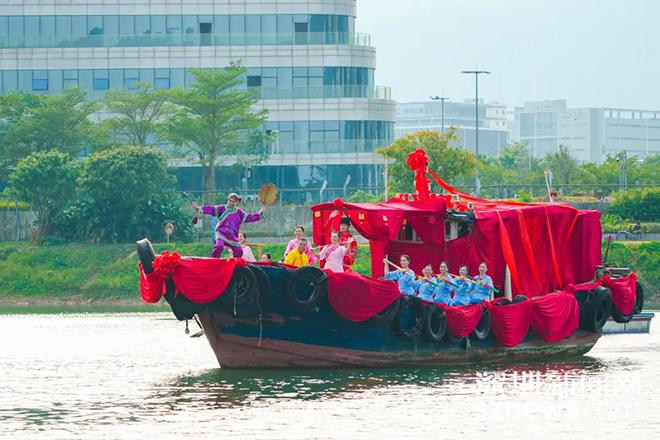 Yantian Tanka Cultural Festival
 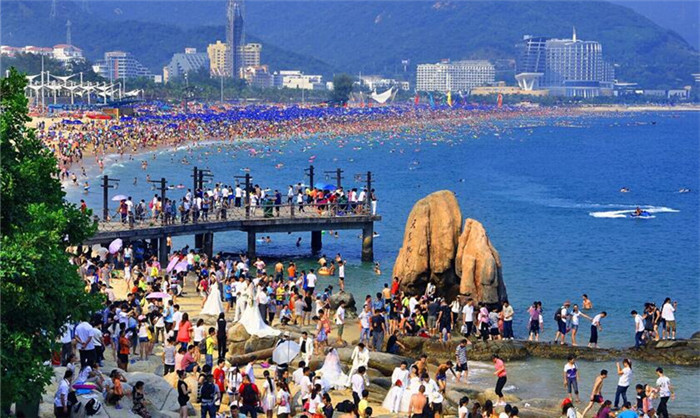 Shenzhen Golden Coast Tourism Festival
 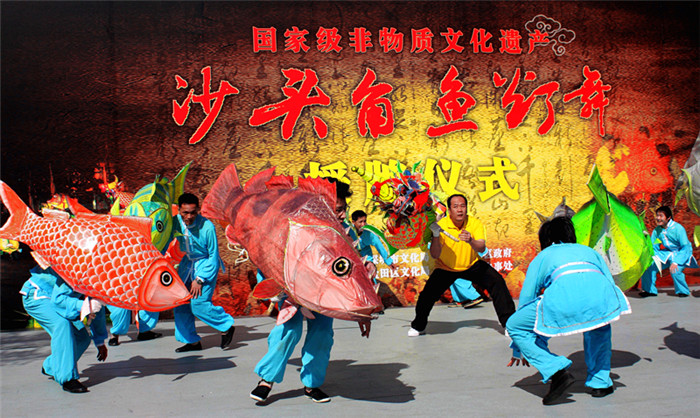 Shenzhen Shatoujiao Fish Lantern Festival