From: Shenzhen Daily | Updated:2026-02-10
With the recent completion of the second phase of its battery swap station project, Yantian Port now officially operates three under-chassis battery swap stations — the largest such in-port network in the world — significantly improving the efficiency of port logistics.
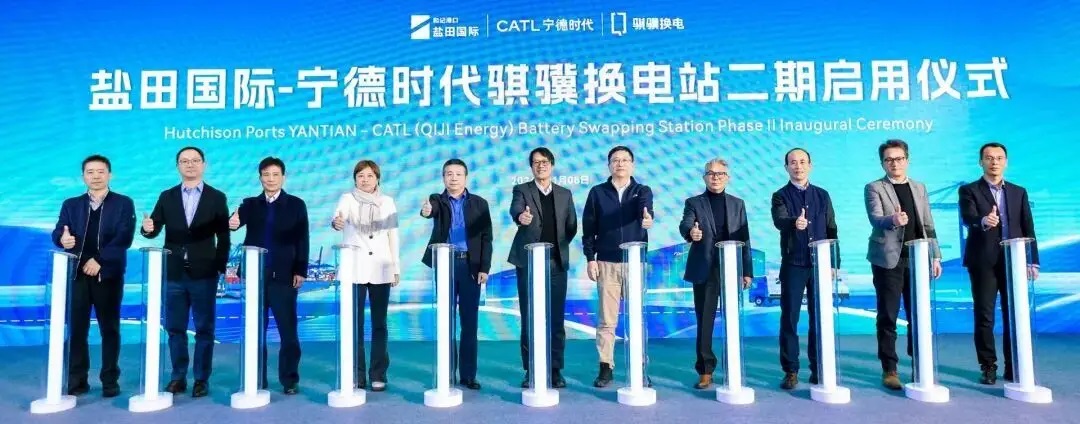
Representatives of YICT, CATL and local officials unveil a new battery swap station at Yantian Port.
The partnership between Yantian International Container Terminals (YICT) and CATL’s Qiji brand began in November 2024, when the two collaborators launched the world’s first in-port under-chassis battery swap station for heavy-duty trucks.
Nearly 100 battery-swappable heavy-duty trucks were deployed in the initial phase. By adopting the battery swap model, charging time has been reduced from over an hour to just about five minutes per swap, effectively addressing key challenges related to range and charging efficiency for new-energy heavy trucks operating inside the port.
The initiative has also delivered notable environmental benefits, cumulatively cutting direct CO₂ emissions by 5,000 tons and tangibly improving air quality in and around the port area.
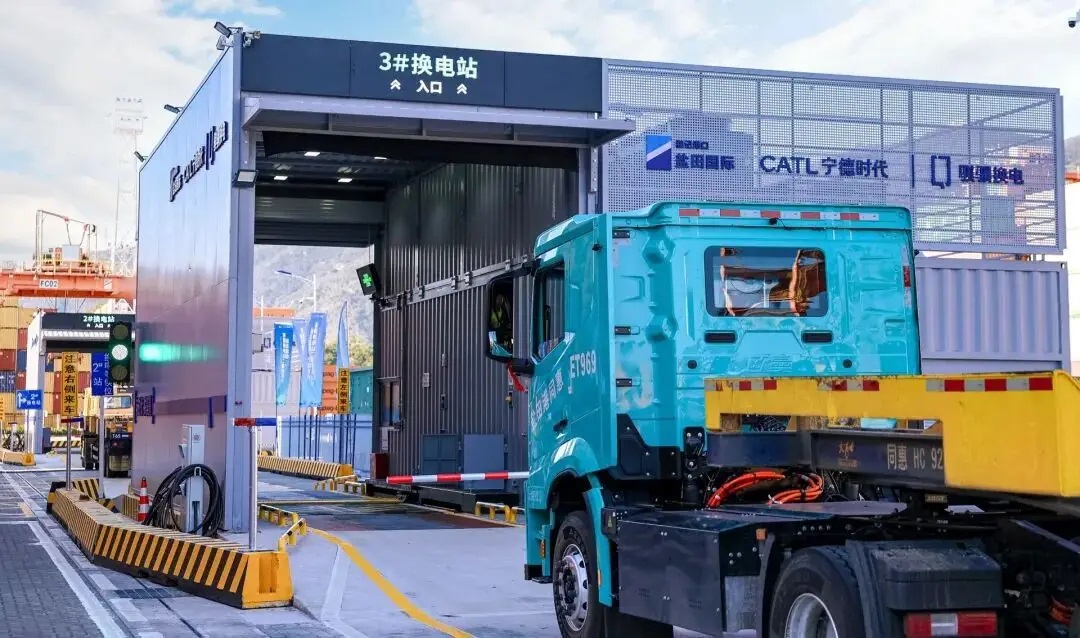
The No. 3 battery swap station at Yantian Port.
Currently, Yantian Port’s three battery swap stations can service more than 250 under-chassis battery-swappable heavy trucks. At full operation, the stations are projected to reduce annual fuel consumption by approximately 6,000 tons and direct CO₂ emissions by around 15,000 tons per year.
Lawrence Shum, Managing Director of YICT, said: “As a pioneer in low-carbon ports, YICT is the world’s only terminal to have won the ‘Best Green Container Terminal’ award four times. We have always treated low-carbon development as a core corporate strategy, pursuing both efficiency gains and carbon reduction. Over the past decade (2014–2024), the port’s annual throughput increased by 25%, while carbon emissions per container fell by 32%.”
Shum emphasized YICT’s commitment to further promoting clean energy and low-carbon technologies, ensuring customers receive more efficient and environmentally responsible logistics services.
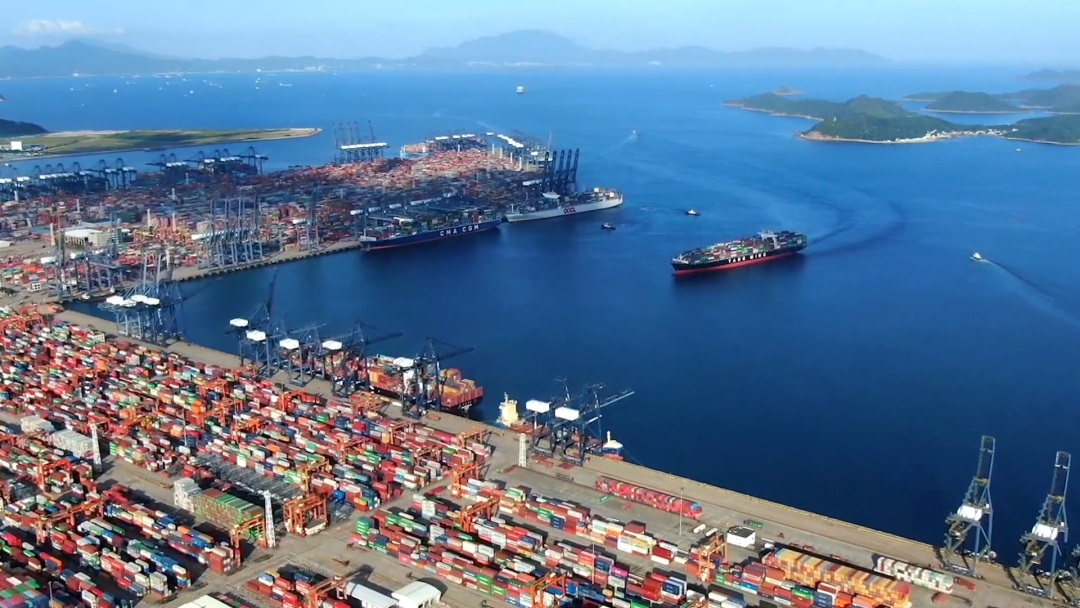
An aerial view of Yantian Port.
In 2025, carbon emissions per container at Yantian Port reached a historic low. Additionally, the port has achieved shore power coverage at all berths, making it the terminal with the highest shore power supply volume in China. This allows container ships to avoid using onboard diesel generators while docked, further reducing carbon emissions and air pollution.


 Overview
  Yantian Tanka Cultural Festival
  Shenzhen Golden Coast Tourism Festival
  Shenzhen Shatoujiao Fish Lantern Festival