From: Shenzhen Daily | Updated:2026-06-11
The first time a village had a night view — that moment was etched in the memory of Chen Xiequn, chairwoman of Shenzhen Lemi Technology Development Co., Ltd.
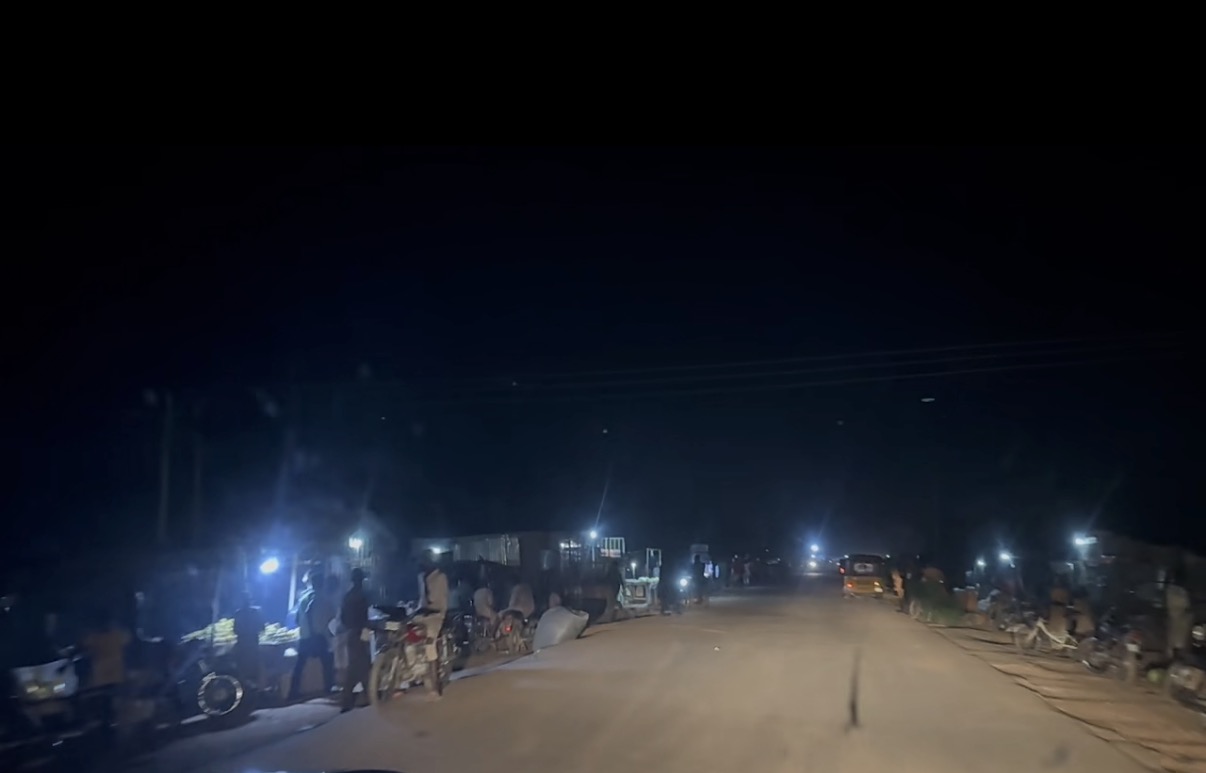
Lemi Street in Nigeria. Photos courtesy of Shenzhen Lemi Technology Development Co., Ltd.
In a village in Nigeria with poor infrastructure, her team of a dozen technicians worked from morning until night. The main road, lined with simple stores, had no streetlights. When darkness fell that day, the lights along the street came on one by one for the first time. Locals later called the street Lemi Street.
The Yantian-based company is a provider of renewable energy products and solutions. Since 2004, it has built solar power systems to bring electricity to off-grid areas around the world.

A showroom at the company demonstrates the solar power system solutions designed for Africa.
In the mountains of the Philippines, and alongside the stilt houses in Myanmar and Cambodia, once the sky darkened, the villages would fall into darkness, and daily life seemed to come to a halt.
Lemi's products are not fancy. Its off-grid photovoltaic power systems combine solar panels and energy storage equipment with compatible appliances to provide power solutions for areas with insufficient or no electricity. The company's products are sold in 46 countries and regions, reaching approximately 36 million people.
These devices are packed into shipping containers and sent to remote areas in Southeast Asia, South Asia, Africa, and Latin America.
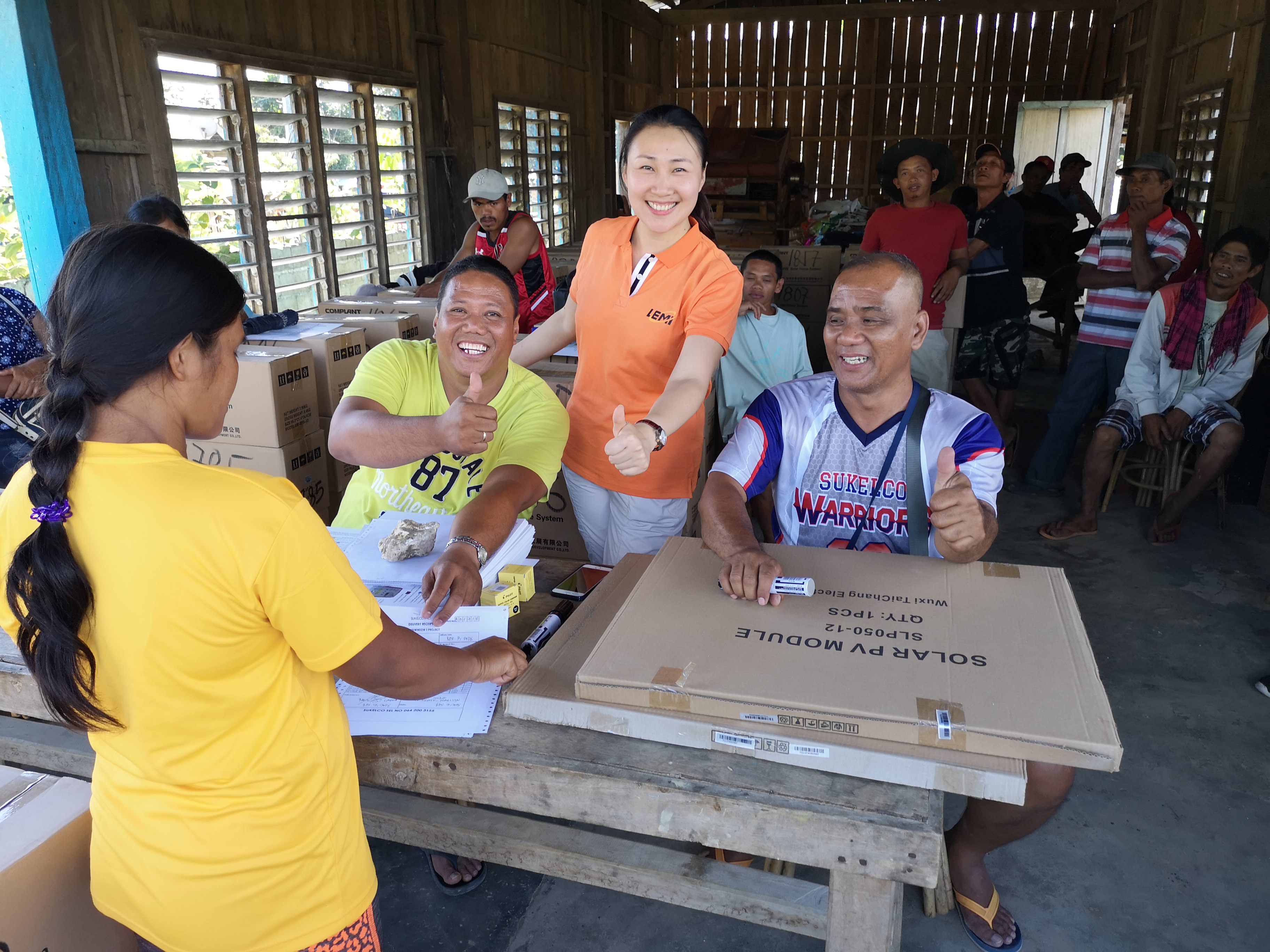
Lemi’s chairwoman Chen Xiequn (2nd R) with locals as a project began operations in the Philippines in 2017.
Lemi began going global around 2016. "We were compelled to go overseas," Chen said. "The domestic market had established players, and competition was fierce, so we had to look elsewhere."
It was natural to choose Southeast Asia as the first destination.
"The region is comparatively close, with similar climates to South China," Chen explained. "The mountain villages and islands had long been plagued by a lack of power."
But once in those places, Chen discovered that her experienced team faced new challenges.
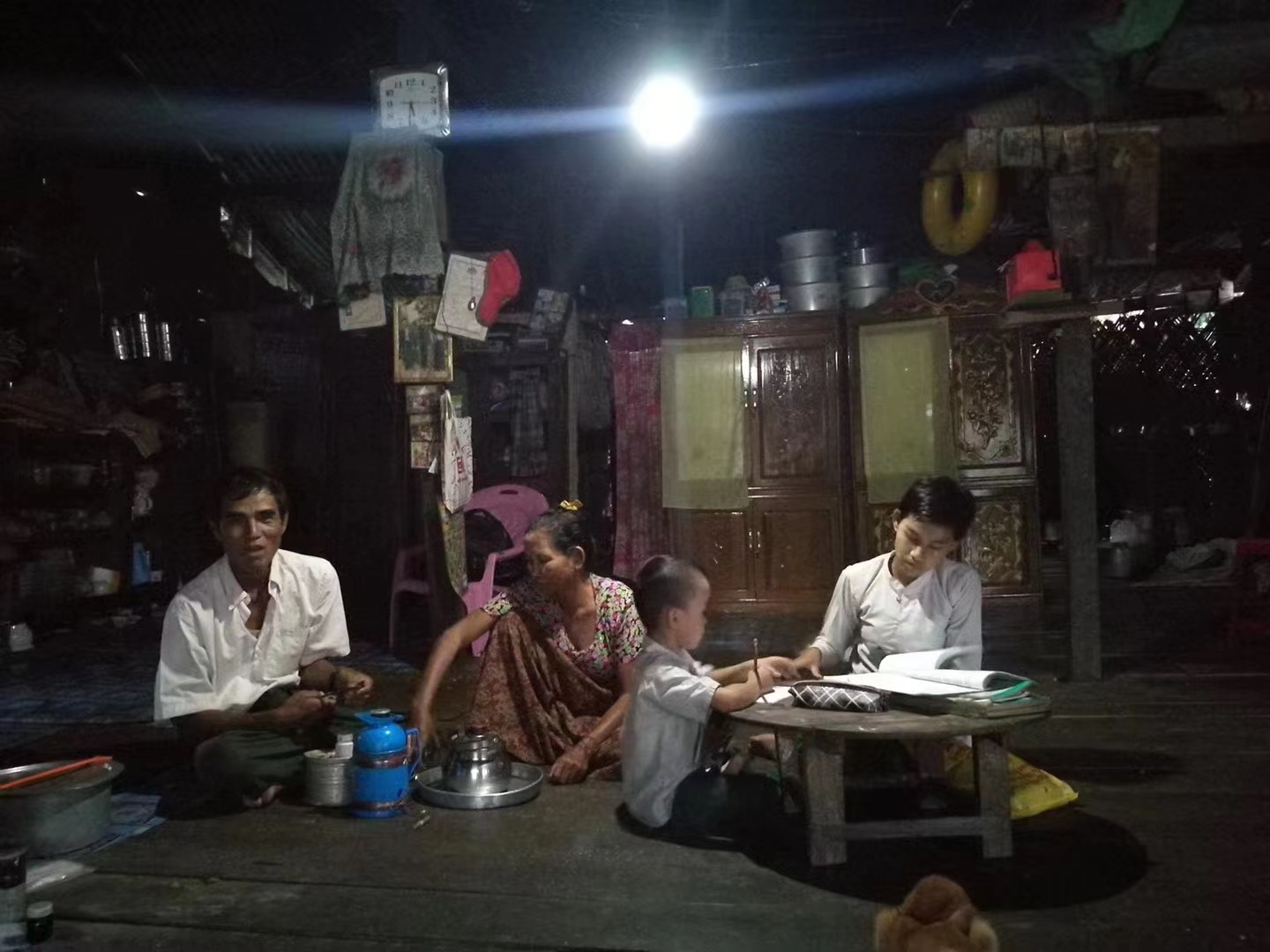
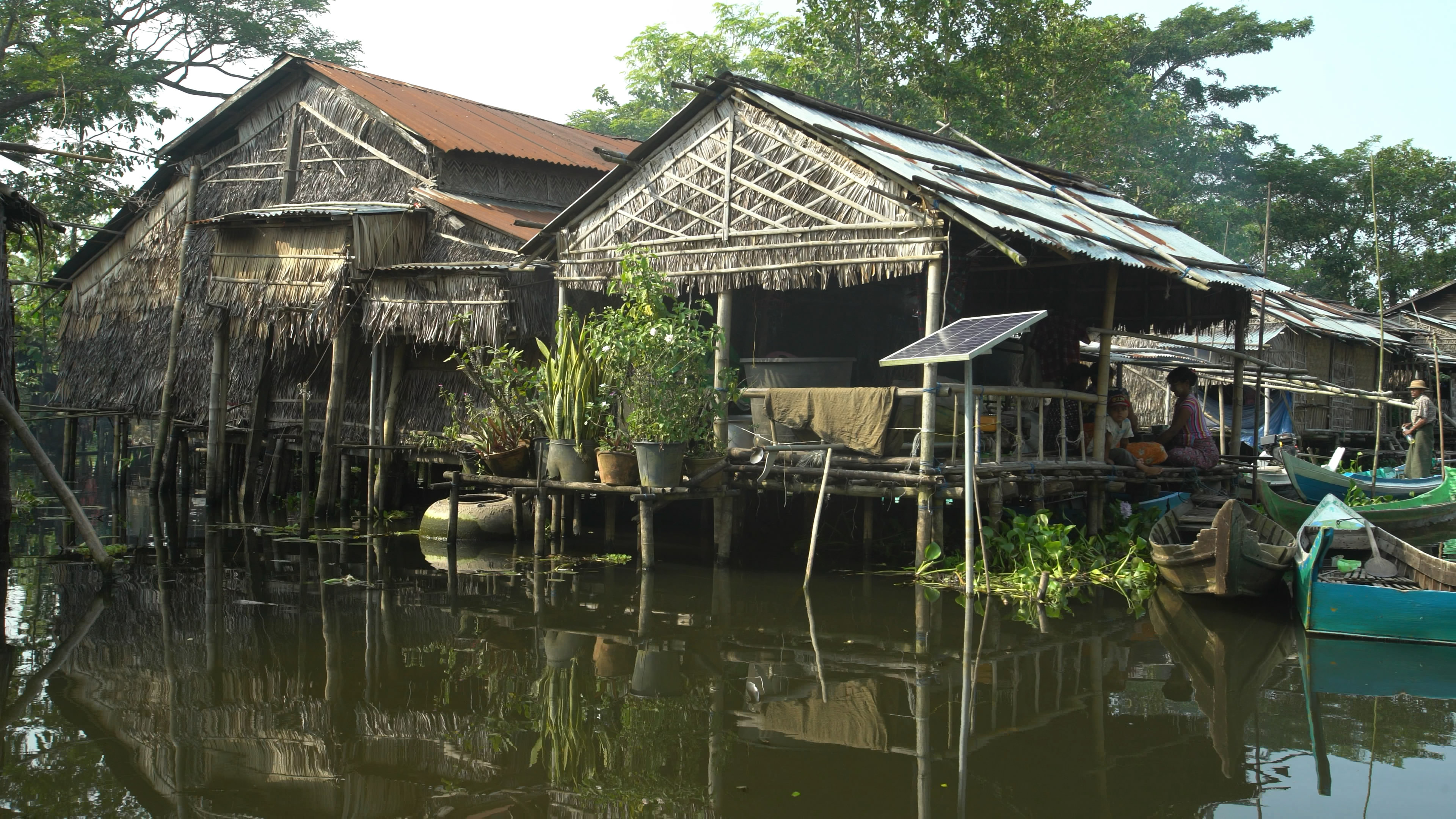
A household in Myanmar is lit up at night by a solar power system produced by Lemi.
One region in Myanmar had dry and rainy seasons. During the dry season, trucks could drive in; during the rainy season, some places could only be reached by boat. Most houses were stilt houses. The common practice in China is to install solar panels on rooftops, but it was impossible to do the same in that area, where many roofs were wooden or thatched and unstable.
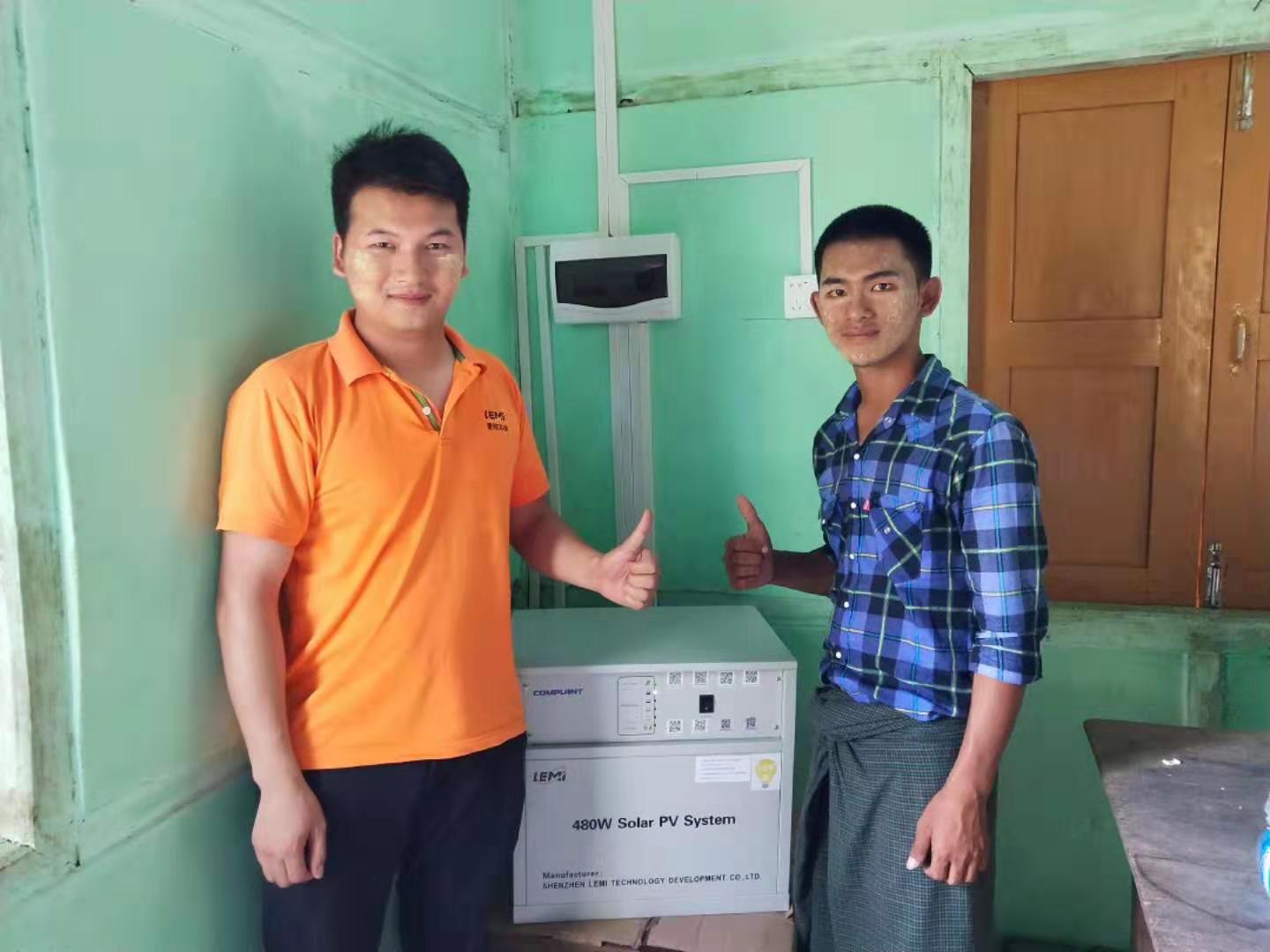
A Lemi staff member (L) poses for a photo with a user in Myanmar after the company's system was installed at a local senior high school.
Chen said the team had to move some equipment to courtyards, rethinking factors such as sunlight exposure, shading, installation, and maintenance.
Southeast Asia's climate also presented challenges. The rainy season is long, with high temperatures, high humidity, and abundant mosquitoes; while during the dry season, dust is heavy. The equipment had to be not only moisture-proof and corrosion-resistant, but also dust-proof and insect-proof. The casing, interfaces, wiring, and heat dissipation systems all required redesigning, and the energy storage capacity had to be adjusted to local sunlight conditions.
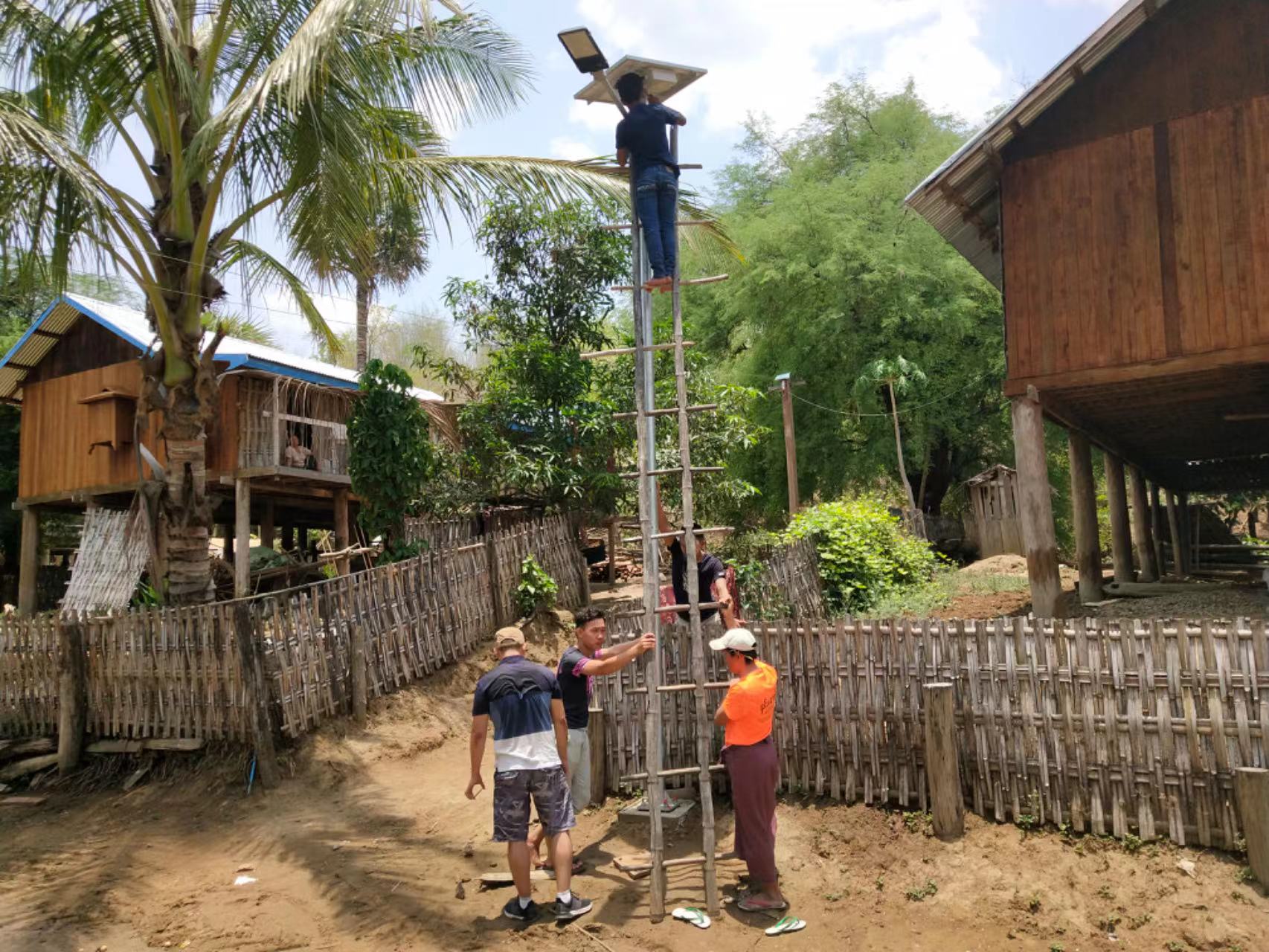
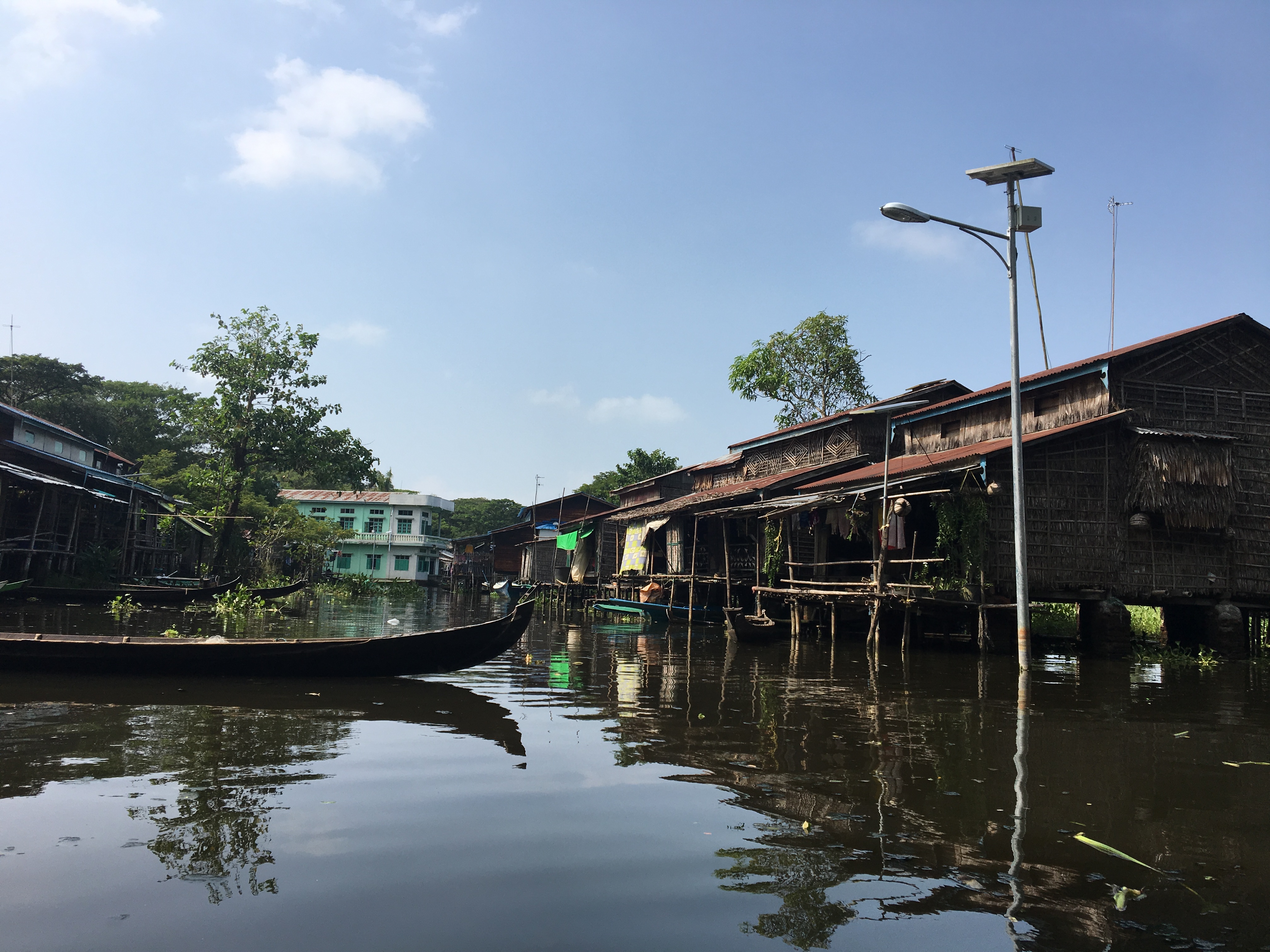
Solar-powered lamps are being mounted on poles in Myanmar.
Chen explained: "In Xinjiang and many places in China, where sunlight is abundant, equipment with smaller storage capacity is sufficient. But in places with long rainy seasons, you need larger storage capacity to ensure several days of use without sun."
Selling the equipment is only the first step; ensuring it can be used for a long time is what matters.
This changed Chen's understanding of markets. Previously, she only considered prices and channels. Now, she wants to make sure that the products can actually work reliably over the long term.
In the Philippines, Chen and her team once traveled deep into the mountains to offer training to locals.
In remote mountainous areas, Lemi's engineers cannot be on call. To make the systems truly usable, the company had to clearly explain installation, use, and maintenance.
Some places lacked stable internet, making video tutorials hard to access; some users couldn't read, and even picture-based instructions were not always fully understood. The team eventually realized that rather than compiling elaborate instruction manuals, it was better to make the products simpler.
Take interfaces for example.
Previously, some power interfaces were universal, leading users to plug in incompatible cables. In worse scenarios, the system would burn out. To solve the problem, Lemi redesigned the interfaces so that a given cable would fit only its designated port, making it impossible to plug it in incorrectly.
Chen said that Southeast Asian users don't just care about price. "An overall solution is more important."
Over the years, Lemi has integrated product, installation, training, maintenance, and localization into one package. Local income levels, sunlight conditions, housing structures, the appliances people typically use, whether the system can last through the rainy season, and who will handle future maintenance — all these questions must be considered in advance.
The changes brought by electricity were immense.

Workers in a Lemi factory workshop.
In Sitio Danao, Municipality of Malungon, Sarangani Province, the Philippines, the village is surrounded by mountains and cliffs. Resident Jimmy Sinama explained that the Danao area is relatively isolated, with limited flat land. After the solar equipment was installed, villagers could listen to the radio, watch TV, and children gained access to more reliable lighting for studying.
Sinama's wife has long worked in handicrafts. Previously, she could only sell her products to local traders at nearby markets, leaving little room to negotiate prices. Now, with working mobile phones, she can reach more buyers and secure better prices.
In rural areas of underdeveloped regions like the Philippines and Myanmar, candles and kerosene lamps used to be the main source of nighttime lighting. The light was weak and harmful to children's eyesight. Open flames in wooden or thatched houses also posed fire risks. Switching to solar lighting has made homes brighter and safer.
When Lemi's team goes to rural areas, they also bring backpacks, stationery, and books for local children and schools. Some villagers share food with the staff, and some gift them local garments to show gratitude.
After years of overseas work, Chen has seen a clear shift in how "Made in China" is perceived. In the early years, some overseas customers thought of Chinese products as merely cheap.
Now, as Chinese companies have consistently focused on localization and training, overseas customers see Chinese products as representing good quality, practical solutions, and long-term services.
"Many clients have been working with us since 2017 or 2018 and are still with us today," Chen said.
She believes that markets in Asia, Africa, and Latin America are still in the midst of an energy transition and offer great potential. Locals will use more farm machinery, and more scenarios will need solar power.
Lemi's global expansion, like that of countless other Shenzhen enterprises going overseas, has been a tough but rewarding journey.


 Overview
 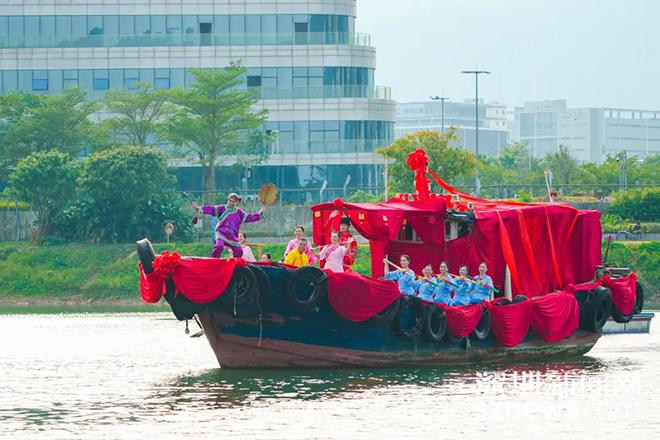 Yantian Tanka Cultural Festival
 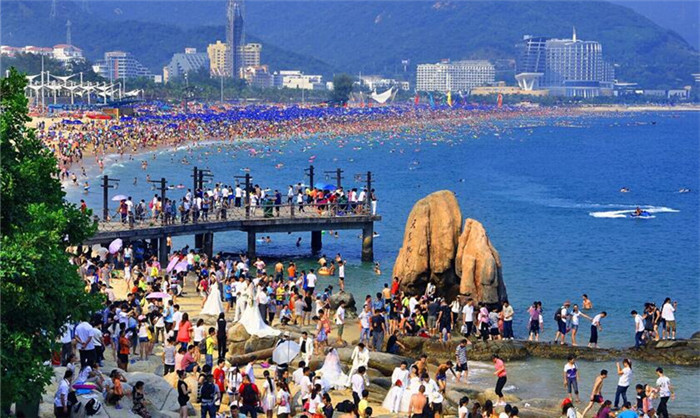 Shenzhen Golden Coast Tourism Festival
 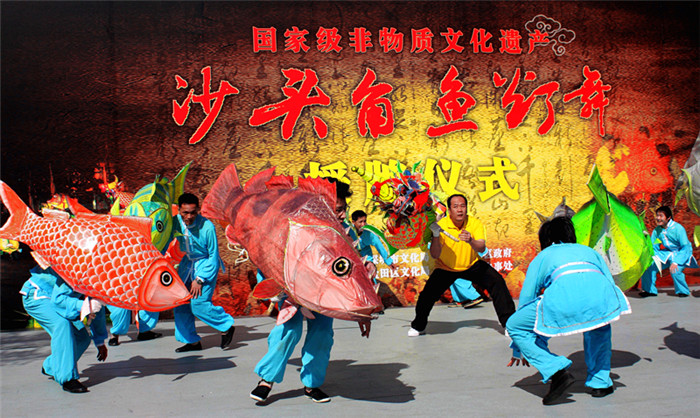 Shenzhen Shatoujiao Fish Lantern Festival