From: Shenzhen Daily | Updated:2026-07-01
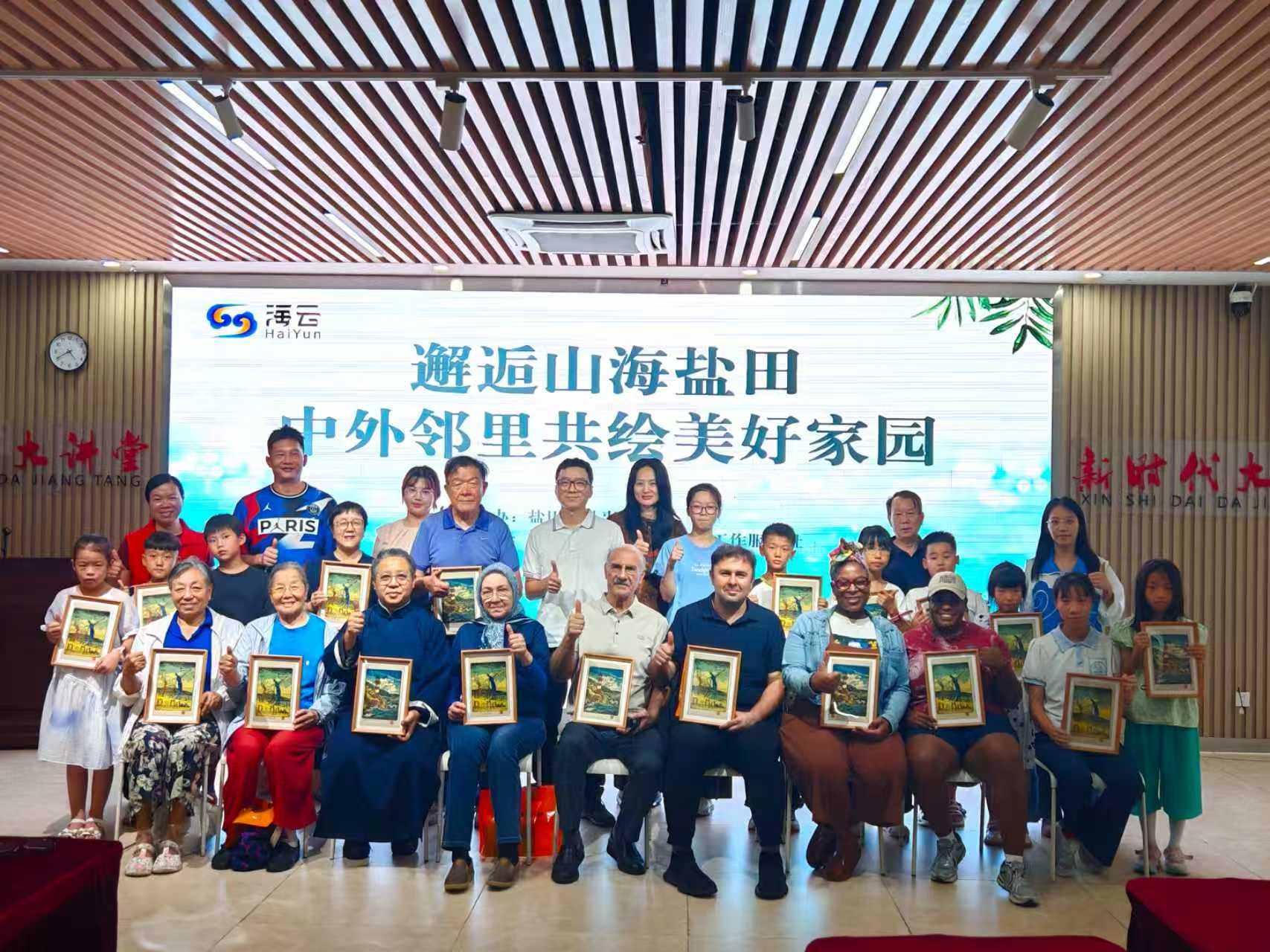
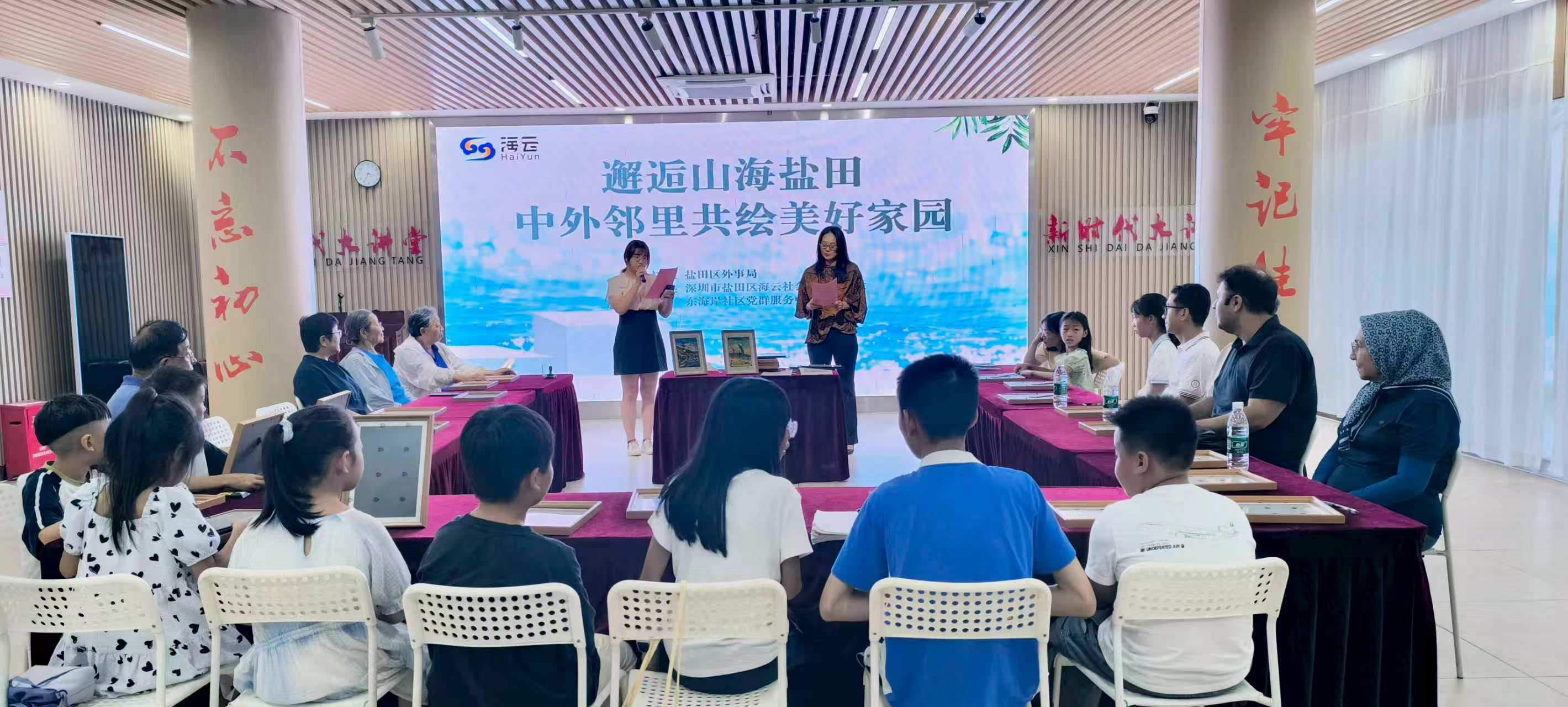
Twenty-five expats from various countries, together with local volunteers, gathered on June 28 at the East Coast Community in Meisha Subdistrict for a hands-on introduction to the ancient Chinese tradition of rubbing.
Rubbing is one of the oldest and most ingenious methods of reproduction. Long before photography or printing presses, it served as the primary way to produce exact, life-size copies of inscriptions, calligraphy, and relief sculptures carved into stone, bronze, or wood.
A form of relief printing that requires no press, rubbing involves placing a sheet of thin, absorbent paper over a carved or textured surface, moistening it, and then lightly patting it with an inked pad. The ink clings to the raised surfaces while the recessed grooves remain blank, resulting in a black-and-white facsimile that reads like a photographic negative.
Sponsored by Yantian's foreign affairs office, the event kicked off with a short video showcasing the district's natural beauty, rich history, and vibrant everyday life.
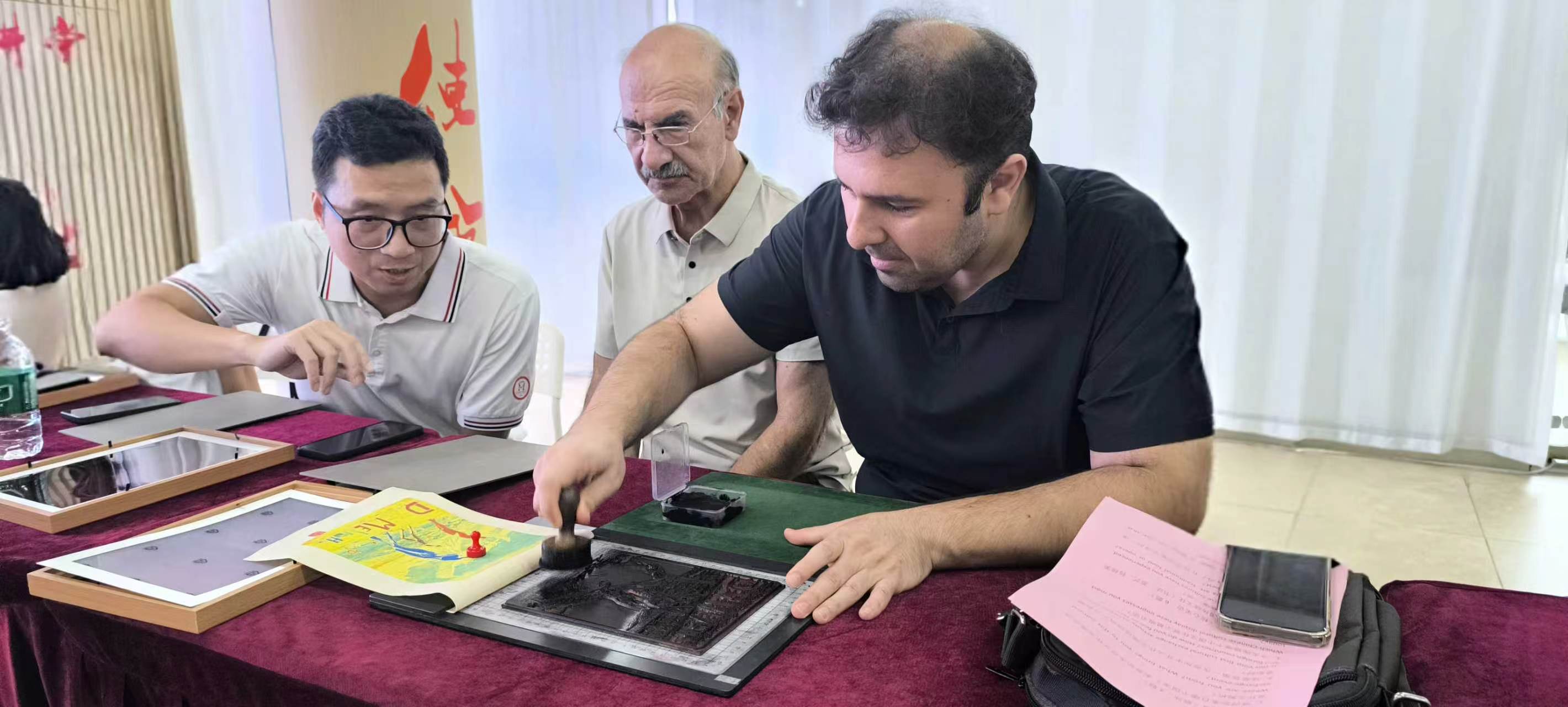
Next, an inheritor of this intangible cultural heritage was invited to demonstrate the full rubbing process — from cleaning the stone and laying down rice paper, to pressing the paper into the grooves, inking, and carefully lifting the finished print.
Though digital scanning and 3D printing are now common, rubbing remains a living tradition. In museums and archives across China, it is still the preferred method for documenting stelae, because it captures subtle cracks, stone textures, and the energetic "brushwork" of the original carvings in ways that machines often miss. The craft is also valued as a meditative art, demanding immense patience, a steady hand, and a deep reverence for the ancient works being copied.
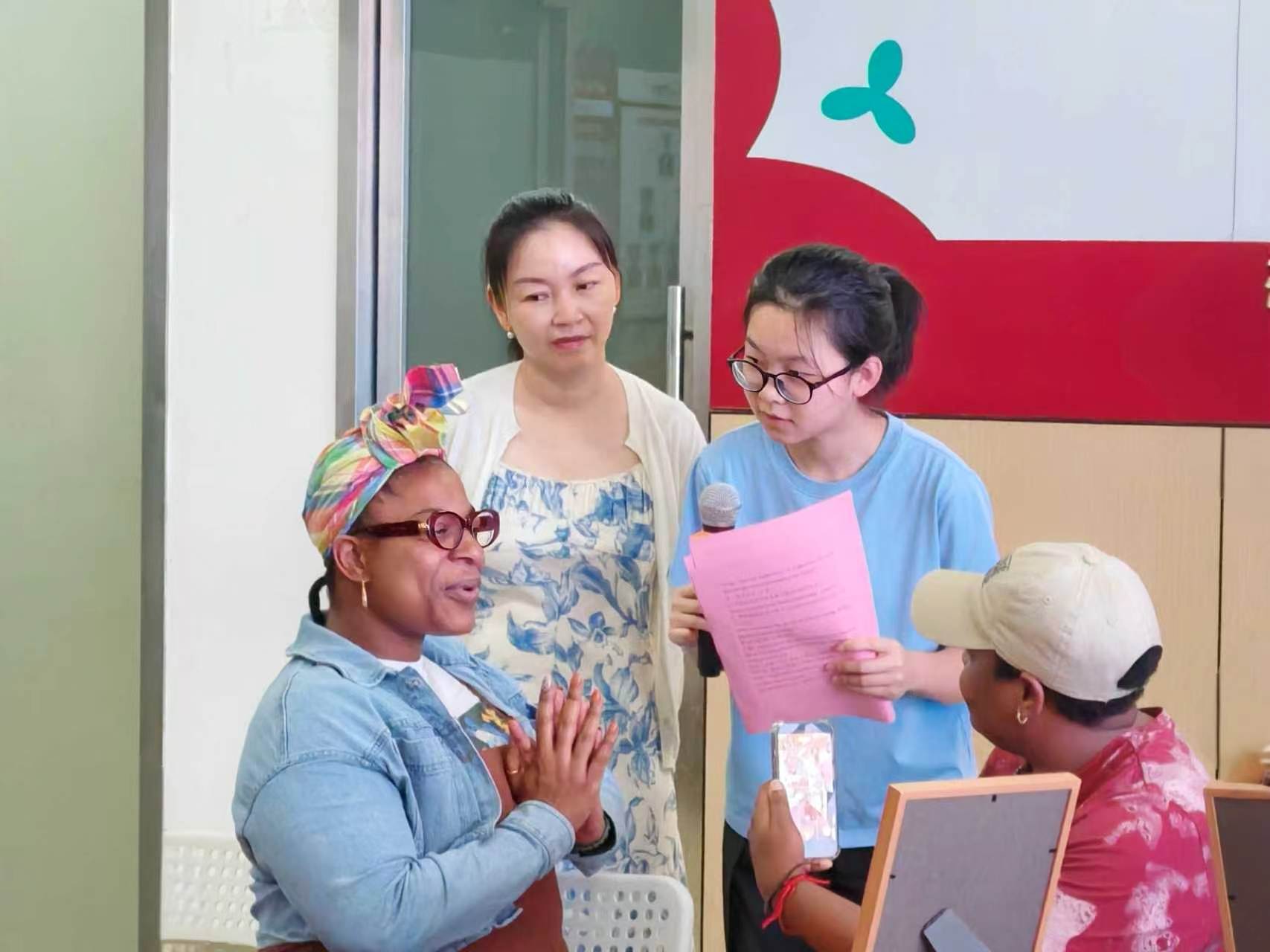
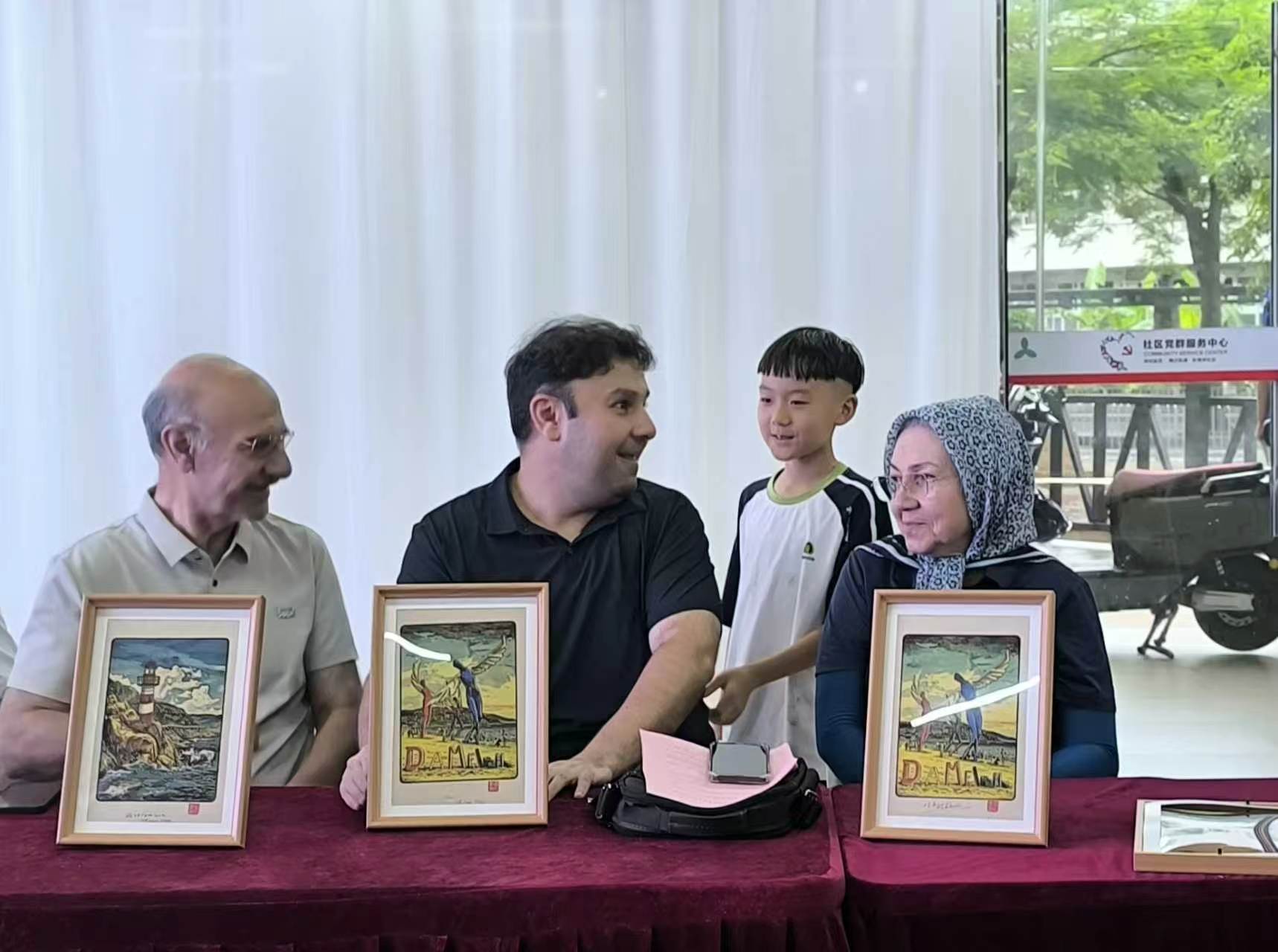
After the demonstration, the expats tried their hand at rubbing, creating impressions of Yantian's landscapes. "I made this beautiful picture of Yantian with my own hands," said Ali, one of the participants. "This feels like I've signed a personal contract with Yantian." The expats were also warmly greeted by local children, who practiced their English with the visitors.
In recent years, Yantian has made sustained efforts to build an inclusive international community. Authorities have improved bilingual signage in public spaces, set up service windows for expats and foreign-funded companies, and regularly organized cultural exchange events aimed at integrating foreign residents into local life.


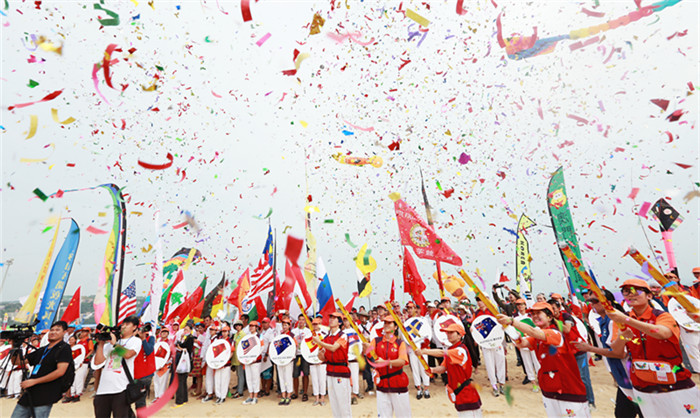 Overview
 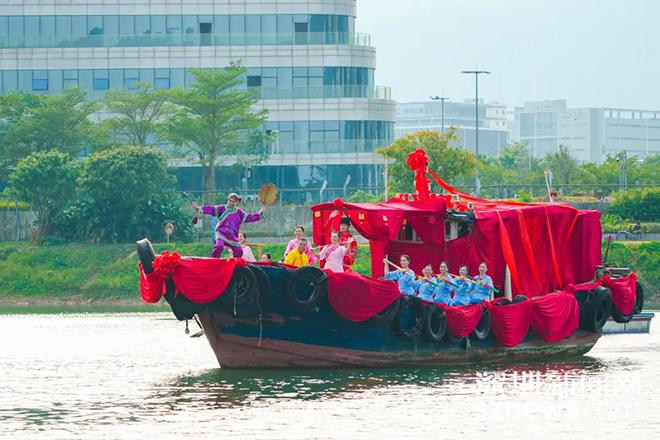 Yantian Tanka Cultural Festival
 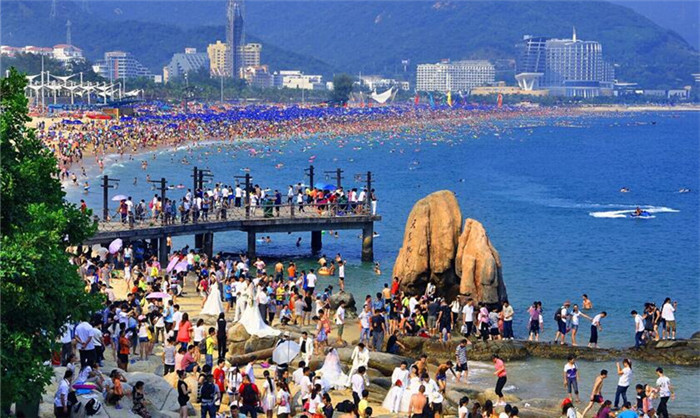 Shenzhen Golden Coast Tourism Festival
 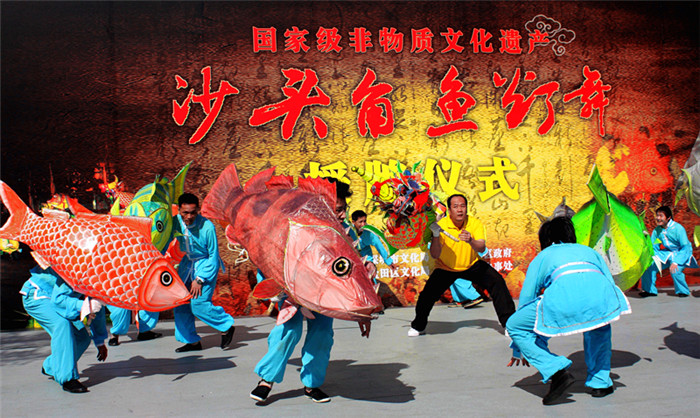 Shenzhen Shatoujiao Fish Lantern Festival